
The journey into language acquisition and reading readiness is one of the most transformative milestones in early childhood development. During the preschool years, a child’s brain builds neural pathways at an astonishing rate, laying the absolute groundwork for future academic success and personal communication skills. For decades, the traditional bedtime story has been celebrated as a cornerstone of childhood, providing a comforting routine and exposing young minds to rich vocabulary. However, modern educational research reveals that passive listening is only the first step on a much larger path. To truly maximize cognitive potential, reading must evolve from a sedentary, one-way broadcast into a vibrant, interactive dialogue.
By shifting focus toward active engagement, parents can dramatically enhance comprehension, vocabulary retention, and phonetic awareness. Utilizing interactive methods to support early literacy skills in preschoolers changes the relationship a child has with books. When young learners are encouraged to touch, listen, react, and respond to the text, the printed word transforms into a living experience. This comprehensive guide explores the structural mechanics of early literacy, details the cognitive science of interactive reading, and provides practical strategies to incorporate modern responsive audio tools into your daily home learning routine.
The Developmental Architecture of Early Literacy
To effectively support early literacy skills in preschoolers, it helps to understand the complex cognitive components that must come together for a child to become a proficient reader. Literacy is not an isolated skill that switches on automatically at a specific age; rather, it is an intricate tapestry woven from several foundational developmental pillars.
Print Awareness and Book Orientation
Before a child can decipher a single letter, they must understand how print functions. Print awareness involves recognizing that those small, black markings on a page represent spoken words, that sentences flow from left to right and top to bottom, and that books are held and turned in a specific direction. This structural understanding demystifies the physical format of literature, making the transition to actual reading smooth and predictable.
Phonetic and Phonemic Awareness
Phonetic awareness is the ability to hear, identify, and manipulate individual sounds in spoken language. Preschoolers must learn that the spoken word cat is comprised of three distinct sounds, or phonemes. Mastering this auditory discrimination is critical, as it allows children to later map those sounds onto physical letters of the alphabet, forming the basis of decoding and spelling.
Oral Language and Vocabulary Expansion
The breadth of a child’s spoken vocabulary is a direct predictor of their reading comprehension success in later years. Children can only comprehend the meaning of a written word if it already exists within their mental oral dictionary. Encountering diverse, descriptive language within rich narrative contexts allows preschoolers to build a robust linguistic database that fuels complex thinking.
Narrative Comprehension and Critical Analysis
Reading is far more than mechanical decoding; it is the active construction of meaning. True comprehension requires a child to follow a sequence of events, understand cause-and-effect relationships, predict upcoming outcomes, and relate the experiences of a fictional character to their own real-world life.
Moving Past Passive Listening to Dialogic Reading
For generations, the standard reading model involved a parent reading text aloud while a child sat quietly, looking at illustrations. While this traditional approach provides emotional closeness and introduces story structures, it often places the child in a completely passive role. The young mind absorbs information, but it is not forced to process, evaluate, or apply that information in real time.
To deeply support early literacy skills in preschoolers, educational experts advocate for a transition to dialogic reading. This methodology turns the child into the storyteller, while the adult acts as an active listener, guide, and questioner. In a dialogic reading framework, a conversation develops around the book, prompting the preschooler to speak, think critically, and explore the underlying layers of the narrative.
When a child actively discusses a story while exploring it, their brain creates stronger cognitive connections to the vocabulary and themes. They are no longer simply hearing words drift through the air; they are actively using those words to express their own thoughts, interpretations, and creative predictions. This active cognitive engagement accelerates language development and builds a deep, enduring love for literature.
The Cognitive Impact of Responsive Audio in Early Reading
In the modern educational landscape, technology can be harnessed as a brilliant asset when designed with developmental intentionality. Responsive audio systems represent a major leap forward from passive audiobooks or distracting digital screens, offering a balanced, multi-sensory bridge that perfectly supports early literacy skills in preschoolers.
Passive media, such as a television show or a standard cartoon application on a tablet, often disengages the child’s physical book-handling skills and overstimulates the visual cortex with fast-paced animations. This can reduce attention spans and limit deep cognitive processing. In stark contrast, responsive audio systems pair a real, physical, beautifully illustrated print book with an intelligent audio companion that responds strictly to the child’s precise touch or direct exploration.
When a child places a smart pointer on a physical page, a word, an image, or a character, the responsive system immediately delivers clear, high-quality acoustic feedback. This direct interaction produces several distinct cognitive benefits:
Immediate Phonetic Reinforcement
When a child looks at a printed word and instantly hears its accurate, clear pronunciation, the brain forms an immediate connection between the visual letter string and the spoken sound. This real-time synchronization bypasses confusion, reinforcing phonetic decoding instantly and accurately.
Multi-Sensory Neural Integration
By engaging the visual system (looking at the illustrations and text), the tactile system (holding the book and guiding the pointer), and the auditory system (hearing responsive sounds and clear narration) simultaneously, the brain activates multiple learning channels at once. This multi-sensory integration ensures that information is stored in deeper, more resilient memory networks, making future recall effortless.
Self-Paced, Autonomous Discovery
Preschoolers thrive when they feel a sense of personal agency and control over their environment. Responsive audio allows a child to explore a page as many times as they desire. If they want to hear a specific sound effect, a complex vocabulary word, or a beautiful sentence repeated five times, they can do so independently, without relying on an adult to pause their tasks. This independent control builds immense confidence and encourages self-directed learning habits.
Introducing the Learning Time A+ Program for Literacy Mastery
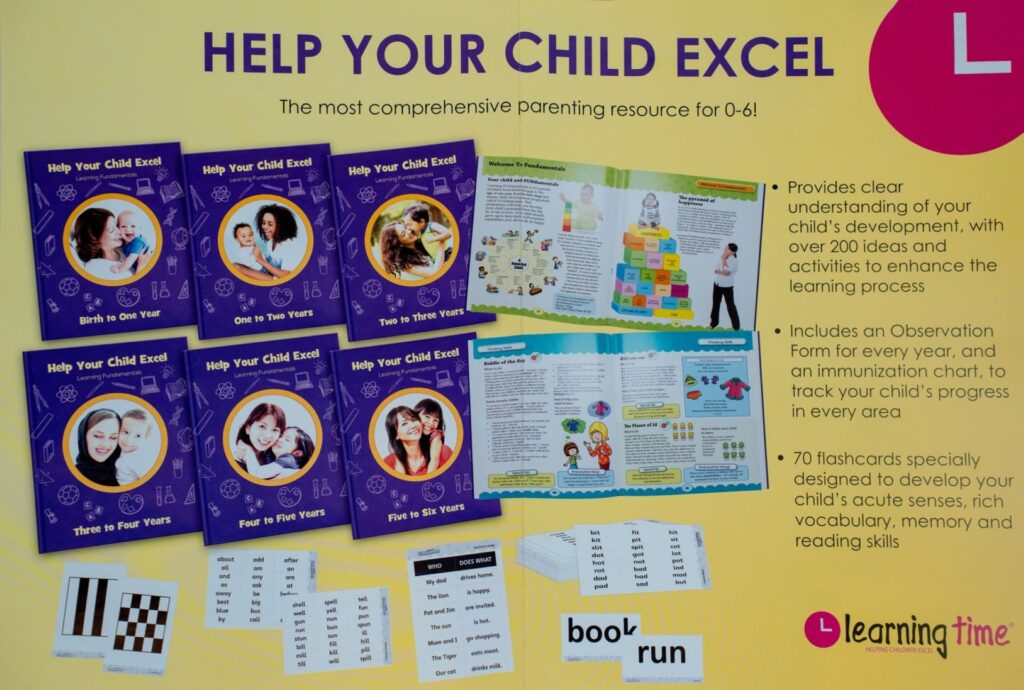
To seamlessly implement these advanced developmental principles within the home, utilizing a structured, professionally designed framework is highly advantageous. The Learning Time A+ Program serves as a masterful tool specifically engineered to support early literacy skills in preschoolers through the intentional integration of responsive audio and high-quality physical literature.
The program features an extensive library of beautifully illustrated stories, language books, and vocabulary guides that work in perfect harmony with a specialized responsive audio pen. When a preschooler opens a page within the system, they are not looking at a glowing, distracting screen; they are holding a premium physical book that honors traditional print literacy. As they touch the pages with the audio pen, the book comes alive with precise narrations, clear phonetic breakdowns, multi-lingual translations, and contextual sound effects that explain the meaning of words instantly.
This deliberate design means that if a story introduces a complex word like gargantuan or cascading, the child can tap the word to hear it pronounced clearly, followed by an immediate contextual explanation or an evocative sound effect that illustrates the concept perfectly. The Learning Time A+ Program effectively turns ordinary home reading into a personalized, interactive tutorial environment. It empowers young children to navigate sophisticated linguistic structures with ease, building an advanced vocabulary and strong phonetic awareness long before they enter a formal kindergarten classroom.
Practical Strategies to Elevate Home Reading Sessions
Integrating responsive audio tools into your daily family life is simple, highly rewarding, and requires no stressful adjustments to your existing schedules. By combining these advanced systems with warm, responsive parenting techniques, you can design an incredibly rich literacy ecosystem right in your living room.
1. Activating Prompted Discussions with the PEER Method
When exploring an interactive book with your child, enhance the responsive audio experience by utilizing the structured PEER method. This technique keeps the conversation fluid, encouraging your child to vocalize their thoughts consistently:
-
P – Prompt: Invite your child to interact with the page. Ask them to point the audio tool at a specific character or object, such as, Let us see what sound the little puppy makes when he runs.
-
E – Evaluate: Listen to your child’s response or observe the audio feedback together. Acknowledge what was discovered with enthusiastic validation.
-
E – Expand: Add a layer of sophisticated vocabulary to the discovery. If the audio pen says the puppy is barking loudly, you can add, Yes, he sounds completely overjoyed to see his family.
-
R – Repeat: Encourage your child to repeat the expanded thought or tap the audio element again to solidify the new vocabulary word within their memory.
2. Hunting for Phonetic Clues and Letter Sounds
Turn phonics practice into an exciting auditory treasure hunt using responsive books. Choose a specific letter sound at the beginning of your reading session, such as the crisp sound made by the letter S.
Challenge your child to scan the illustrations and text with their audio tool to find as many objects starting with that sound as possible. As the audio pen announces words like sun, sailboat, or stone, celebrate each discovery. This physical game teaches preschoolers to look closely at print structures, connects oral sounds with visual letters, and turns mechanical phonics drills into an entertaining, active quest.
3. Deepening Vocabulary Through Real-Time Interaction
When the responsive audio pen encounters a new or challenging word, use that moment as a springboard for contextual learning. Stop briefly to discuss how that word can be applied in everyday household scenarios.
If a character in the story is described as completely exhausted, and the audio pen provides a gentle sighing sound, relate that back to your child’s life. Remind them of how tired they felt after a long afternoon of playing running games in the park. This immediate, personal connection helps shift vocabulary words from abstract concepts found only in books into functional language that children can confidently use in their daily conversations.
4. Nurturing Comprehension Through Predictive Pausing
As you move through an interactive narrative, resist the urge to rush straight to the final page. Use strategic pauses to build narrative comprehension and critical thinking.
Before tapping the final section of a story chapter, ask your child open-ended questions based on what they have observed so far. Questions like, What do you think will happen next when she opens the garden gate? or, How do you think the little bear will solve this puzzle? encourage your child to analyze plot clues, evaluate character motivations, and synthesize information, building deep structural comprehension skills.
Structuring an Inviting and Intentional Literacy Environment
The physical arrangement of a home plays a vital role in how frequently a preschooler chooses to engage with reading materials. Designing an environment that makes books and interactive tools accessible, organized, and enticing ensures that literacy becomes a natural, preferred part of daily play.
Making Literature Accessible and Child-Centric
Ensure that your child’s physical books and responsive audio tools are stored on low, open shelves where they can be reached easily without adult assistance. Presenting books with their front covers facing outward, rather than hiding the artwork by stacking them with spines facing out, instantly captures a child’s visual interest. A vibrant, colorful cover acts as a beautiful invitation, drawing a preschooler to pull the book down and begin exploring independently.
Designing a Comfortable Reading Zone
Create a cozy, quiet sanctuary dedicated specifically to reading and quiet exploration. Place a comfortable child-sized chair, soft oversized cushions, a warm plush blanket, and excellent, gentle lighting in a dedicated corner of the living room or bedroom.
By removing high-energy distractions, toys, and digital screens from this specific zone, you help your child enter a calm, focused state of mind. This structured tranquility allows them to immerse themselves deeply in their interactive books, extending their natural attention spans and associating reading with deep relaxation and comfort.
Establishing Consistent Literacy Rituals
Preschoolers thrive on predictability and structured routines. Integrating interactive reading into specific, fixed points of the day helps form enduring habits.
Whether it is a dedicated twenty-minute session immediately following lunch, a quiet exploration time before an afternoon nap, or a comforting routine before bed, consistency signals to the child that reading is a valued, non-negotiable component of daily life. Over time, these predictable intervals become anticipated moments of joy, discovery, and warm family connection.
Embracing Clean-Up as an Essential Literacy Value
Fostering an appreciation for learning also involves teaching respect for the beautiful tools that make discovery possible. Encouraging your preschooler to care for their physical books and responsive audio devices turns the conclusion of an activity into a valuable lesson in responsibility, order, and mindfulness.
Gamifying the Organization Process
Transform the tidying-up routine into a cheerful, collaborative extension of your learning session. You can create a simple, rhythmic song to sing together while carefully returning books to their designated spaces and placing the audio tools safely onto their charging cradles or storage cases.
Ask your child to sort the books by size, to line them up perfectly on the shelf, or to verify that all the pointer tips are clean and facing upward. This playful collaboration teaches essential organizational skills, instills a sense of pride in maintaining their personal learning space, and ensures that tools remain in perfect condition for future research adventures.
The Long-Term Academic Rewards of Interactive Literacy
The proactive efforts invested in implementing strategies to support early literacy skills in preschoolers yield profound benefits that resonate across a child’s entire educational future. The linguistic and cognitive foundations built during these early home reading sessions set the stage for academic ease and outstanding performance.
When a child enters a primary classroom with advanced print awareness, a vast oral vocabulary, and highly developed phonetic discrimination skills, the process of learning formal reading transitions from a potentially stressful chore into an exciting, confident progression. These children do not struggle to keep up; instead, they quickly become fluent readers who can decode text automatically.
Because their mechanical decoding is effortless, their cognitive energy remains completely free to focus on advanced reading tasks, such as analyzing complex themes, grasping scientific arguments, and synthesizing informational data across subjects. By enriching your home with responsive audio tools and interactive reading methods, you are not merely teaching a child how to recognize letters; you are giving them the ultimate key to unlock all future academic disciplines with absolute confidence.
Cultivating a Lifelong Passion for Knowledge
Every interactive reading session, every shared laugh over a responsive sound effect, and every new vocabulary word mastered creates a permanent, beautiful imprint on your preschooler’s mind. By choosing to move beyond passive entertainment and embracing dynamic, multi-sensory literacy strategies, you provide your child with the exceptional tools necessary to explore the world with curiosity and intelligence.
Guiding a young mind through the wonders of language is an incredibly fulfilling journey filled with moments of profound connection and discovery. As you sit with your child and watch their face light up with understanding while interacting with the pages of the Learning Time A+ Program, you are witnessing the birth of a lifelong thinker. Trust the incredible capacity of your child’s mind, delight in the creative process of home reading, and celebrate the magnificent academic progress you are building together every single day.
To discover exactly how this innovative multi-sensory system can elevate your home learning routine and give your child a massive head start in reading comprehension and phonics, book a free demo session for the Learning Time A+ Program today. Explore firsthand how our interactive literature and responsive audio tools work together seamlessly to empower your child to become a confident, independent reader.