
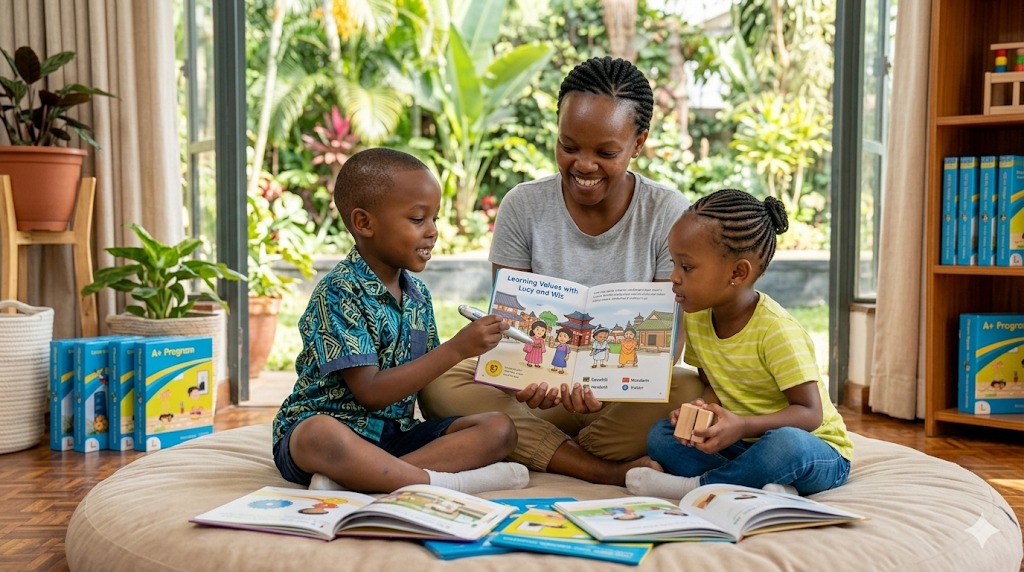
Every single day, parents encounter a beautifully dynamic, endless stream of questions. Young children possess an unmatched, innate desire to make sense of the world around them, asking how things work, where things go, and why the environment looks the way it does. This constant, repetitive questioning is a magnificent sign of a healthy, rapidly developing mind. By understanding how to channel this vibrant energy, families can transform everyday household interactions into powerful opportunities for deep intellectual growth. Nurturing natural curiosity in young children stands out as one of the most effective and joyful pathways to cultivate lifelong critical thinkers who love to explore, analyze, and discover answers completely independently.
When parents intentionally encourage exploration, they lay a rock-solid foundation for future academic success and personal independence. Curiosity is the essential engine of learning, and critical thinking is the steering wheel that directs that engine toward meaningful, structured discoveries. Instead of simply providing immediate, surface-level answers that cut conversations short, guiding children to locate answers themselves fosters advanced problem-solving skills and intellectual autonomy.
The Cognitive Architecture of Early Inquiry
From a neurological standpoint, the toddler and preschool years represent a peak window of brain development. Millions of synaptic connections are forming every second, and each question a child asks is a physical manifestation of a neural pathway seeking a connection. When a family focuses on nurturing natural curiosity in young children, they are validating the scientific method that is naturally occurring inside the child’s mind. This continuous support tells the child that their thoughts are valuable and that the world is a wonderful laboratory waiting to be understood.
Active learning happens when children are active participants in their education rather than passive consumers of information. When a child poses a profound question about nature, animals, or how a machine functions, it opens a magnificent door to cooperative discovery. Engaging deeply with these moments helps children develop cognitive flexibility, advanced spatial awareness, and a robust vocabulary. It also strengthens the familial bond, creating a secure emotional environment where intellectual exploration feels safe, supported, and exciting.
Transforming the Why Avalanche into Structured Research
Managing a busy household while addressing dozens of complex questions a day can feel overwhelming to the most patient parents. However, by shifting the approach from giving immediate answers to building a collaborative research framework, parents can create an organized, highly educational routine that builds self-reliance.
Establishing a Dedicated Discovery Station
Designating a small, specific area in the home for open-ended exploration significantly boosts independent learning. This space can include safe, accessible tools such as magnifying glasses, measuring tapes, child-safe tweezers, notebooks, and a variety of age-appropriate reference books filled with rich illustrations. When a child poses an intricate question, parents can guide them directly to this space to begin looking for clues together. This establishes a predictable physical routine that associates raw curiosity with active, structured investigation.
Embracing the Power of Shared Exploration
When a complex question arises that a parent might not know how to explain simply, an excellent response is to express enthusiasm and suggest finding out together. This simple shift changes the dynamic from a top-down lecture to an adventurous quest. Parents can guide children to reliable sources, such as nature guides, encyclopedia pages, or high-quality educational systems, showing them exactly how to gather data. This teaches children how to use informational resources effectively from an early age, removing the expectation that parents must be an encyclopedia.
Documenting Discoveries and Creating Journals
Encourage children to draw, label, or talk about what they have discovered during their research. Keeping a physical discovery journal allows young learners to see their progress and celebrate their new knowledge. This practice enhances fine motor skills, reinforces memory retention, and gives children an immense sense of pride in their personal, independent achievements. It shows them that their questions lead to a tangible, beautiful result.
Integrating the Learning Time A+ Program for Independent Research
To truly bridge the gap between abstract curiosity and concrete critical thinking, utilizing a structured, high-quality educational system at home is incredibly beneficial. The Learning Time A+ Program is explicitly designed to meet this developmental need by turning a child’s natural inquisitiveness into a structured path of independent discovery.
Through an interactive approach that blends multimedia tools with physical materials, the program allows children aged 0 to 6 to drive their own learning journeys. When a child encounters a topic they want to explore, the program provides clear audio responses, vivid visual books, and hands-on kits that let them test concepts in real time. This interactive feedback loop means that instead of waiting for an adult to stop what they are doing to answer a question, the child can independently scan a page, listen to an explanation, and engage in targeted problem-solving.
By integrating the Learning Time A+ Program into your daily home environment, you provide your child with a safe, managed research engine. They learn how to categorize information, recognize patterns, and apply logical reasoning across subjects like early math, science, and language. This self-paced exploration builds incredible cognitive confidence, teaching children that they possess the capability to seek out knowledge and solve puzzles on their own.
Weaving Critical Thinking into Daily Household Routines
Critical thinking involves analyzing information, comparing options, and making informed decisions based on observation. Nurturing natural curiosity in young children provides the perfect raw material for these advanced cognitive skills, and parents can easily weave these exercises into daily activities without adding stress to the family schedule.
Outdoor Observation Walks
Turn an ordinary walk around the block into an educational treasure hunt. Focus on noticing specific environmental details, such as the varied shapes of leaves, the nesting behavior of local birds, or the changing texture of tree bark. Ask open-ended questions like, Why do you think this plant grows in the shade while that one sits in the sun? This prompts children to observe patterns, form basic hypotheses, and look closer at the natural mechanisms operating around them.
Kitchen Science and Sequencing
The kitchen is a magnificent laboratory for a young child. Discussing how ingredients change state when heated, how water freezes into ice, or how different textures mix together introduces foundational chemistry and physics concepts in a highly practical, enjoyable way. Asking your child to help sequence the steps of a recipe trains the mind to understand cause-and-effect relationships, a core pillar of logical critical thinking.
Nurturing Persistence and Overcoming Frustration
An essential, often overlooked component of critical thinking is intellectual resilience. When children attempt to solve a puzzle, build a tower, or understand a difficult concept, they will inevitably encounter moments of confusion or failure. Nurturing natural curiosity in young children involves teaching them that mistakes are simply data points on the road to a solution.
Validating the Trial-and-Error Process
When a child feels stuck, guide them with supportive, process-oriented feedback. Highlight the creativity of their attempts, and ask questions that gently shift their perspective, such as, What do you think would happen if we tried a larger block at the base? This keeps the momentum positive and prevents frustration from shutting down the learning process. It teaches children to view challenges not as roadblocks, but as interesting puzzles requiring a different angle of approach.
Celebrating the Learning Journey
Focus your praise on the effort, the strategy, and the focus your child displays rather than just the final answer. When a child hears that their persistence and curiosity are what make them successful, they become eager to take on more complex challenges. This builds an enduring growth mindset that serves them exceptionally well throughout their entire academic career and adult life.
Building a Lifelong Love for Exploration
Nurturing natural curiosity in young children is a continuous, deeply rewarding process that shapes the innovators, leaders, and problem-solvers of tomorrow. By deliberately turning everyday why questions into structured opportunities for independent research, families give their children the lifelong tools necessary to navigate the world with intelligence, confidence, and profound adaptability.
Every question your child asks is an open invitation to learn, grow, and connect. Embracing these moments with positive framing, interactive play, and comprehensive frameworks like the Learning Time A+ Program ensures that the spark of curiosity burns brightly throughout their early years, creating a glorious pathway toward a bright, independent, and highly successful future.
To see how this comprehensive system can seamlessly transform your home into a vibrant center for independent discovery, book a free demo session for the Learning Time A+ Program today. Witness firsthand how your child can take control of their learning journey and develop the critical thinking skills that pave the way for lifelong success.