
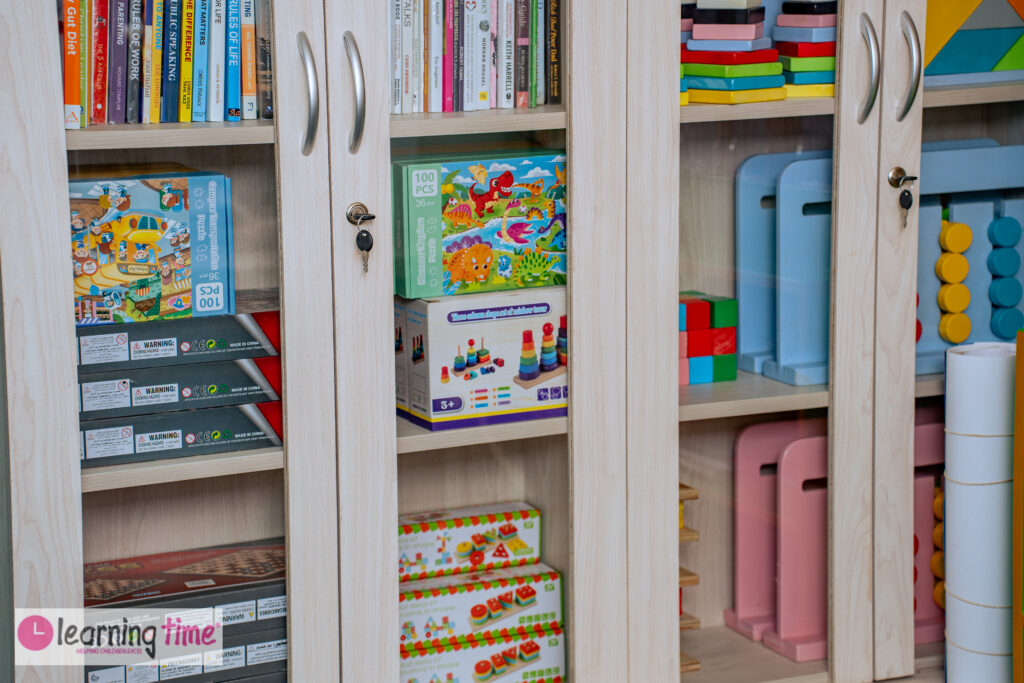
For many modern families, the children’s play area can quickly become a source of underlying household stress. It is incredibly common to find these spaces overwhelmed by a chaotic sea of plastic toys, mismatched puzzle pieces, and scattered components. This intense sensory clutter does more than just disrupt the visual harmony of a home; it actively impacts a child’s cognitive development. When a young mind is surrounded by an overwhelming barrage of choices, attention spans fracture, frustration levels rise, and play can become superficial and frantic.
To truly honor a child’s natural capacity for deep development, the home environment must undergo a structural shift. Transitioning from a chaotic storage room into an intentional, beautifully curated discovery zone changes how children interact with their surroundings. Designing a minimalist educational playroom layout turns the physical environment into a silent teacher. By organizing space with clear boundaries, accessible materials, and zero-clutter principles, parents can foster an atmosphere that inspires prolonged focus, independent problem-solving, and a lifelong passion for structured exploration.
The Cognitive Link Between Space and Focus
To understand the immense value of an optimized educational playroom layout, it helps to examine how a child’s brain processes environmental stimuli. Young children possess a developing executive function system, which is the mental toolkit responsible for filtering distractions, sustaining attention, and switching fluidly between tasks. Unlike an adult brain, a toddler or preschooler’s mind has not yet fully mastered the ability to tune out background visual noise.
When a child walks into a room filled to the brim with overstuffed toy boxes, flashing electronics, and walls covered in highly saturated, frantic decorations, their brain attempts to process every single element simultaneously. This high level of visual stimulation can lead to cognitive fatigue. Faced with a mountain of unorganized options, a child will often dump a box of toys onto the floor, engage with an item for less than a minute, and move on to the next pile without ever entering a state of deep, meaningful play.
By contrast, a minimalist, organized room provides a sense of emotional calm and mental clarity. When visual clutter is minimized, a child can easily select a specific task, comprehend its purpose, and remain deeply engaged for an extended period. This sustained immersion is where true, high-value learning occurs—where spatial engineering, linguistic patterns, and analytical reasoning are successfully mastered.
Core Structural Zones of an Educational Playroom Layout
A highly effective educational playroom layout does not treat the entire room as one giant, multi-purpose space. Instead, it mirrors the design principles of advanced early childhood classrooms by dividing the room into distinct, predictable learning zones. This spatial categorization teaches children how to mentally transition between different modes of thinking and behavior.
1. The Active Construction and STEM Zone
This area is dedicated to physical manipulation, engineering, and structural logic. It requires a firm, flat flooring surface—such as a smooth hardwood floor or a low-pile, neutral play mat—where towers can rise and balances can be tested without falling over prematurely.
-
Materials to Feature: High-quality wooden building blocks, geometric tile sets, mechanical gears, and nesting cups.
-
Layout Detail: Store building materials in low, wide-open wooden trays or woven baskets right next to the flat floor space, allowing children to gather and organize their components easily as they build.
2. The Quiet Literacy and Language Sanctuary
Reading requires a completely different cognitive frequency than active block building. This zone should be positioned in the quietest corner of the room, ideally near a natural light source like a window, away from high-traffic doorways.
-
Materials to Feature: Premium illustrated storybooks, alphabet cards, phonetic learning materials, and responsive audio tools.
-
Layout Detail: Create an incredibly cozy, comforting nest using soft floor cushions, a small child-sized armchair, and a plush, neutral blanket. Use forward-facing book shelves that display the covers of literature outward to capture visual interest instantly.
3. The Tactile and Practical Life Exploration Station
This zone is designed for hands-on, open-ended sensory discovery, manual manipulation, and fine motor refinement.
-
Materials to Feature: Safe sensory bins, child-safe tools, sorting trays, counting beads, and modeling dough.
-
Layout Detail: Position a sturdy, easily cleanable child-sized table and matching chairs in this area. Ensure that shelves containing sensory supplies are located nearby, so materials can be brought to the table and packed away cleanly with minimal transit mess.
Maximizing Minimalist Principles: The Power of Toy Rotation
The absolute foundation of a successful educational playroom layout is a commitment to a strict toy rotation system. You do not need to display every toy your child owns at the same time. In fact, displaying less than twenty percent of their learning materials at any given moment dramatically elevates the quality of their educational play.
The Storage and Selection Framework
Keep the vast majority of your child’s toys, puzzles, and games stored away completely out of sight in a hidden closet, overhead cabinets, or a separate storage area. On the accessible shelves of the playroom, place only a highly curated handful of beautiful, high-value items. Each toy or activity should have its own dedicated slot on an open shelf, sitting neatly inside a shallow tray or container.
Executing a Clean Weekly Transition
Every week or two, quietly assess which items your child has mastered or temporarily lost interest in. Swap those items out for a fresh set of materials from your hidden storage inventory.
When an old toy returns after a month of absence, it feels brand new to the child, sparking a wave of fresh curiosity and creative applications. This intentional rotation structure guarantees that the play space remains clean, light, and deeply engaging, preventing the room from slipping back into a stressful, cluttered dilemma.
Integrating the Learning Time A+ Program to Anchor Your Space
When designing a beautiful, focused educational playroom layout, selecting the right anchor materials is critical. You want to avoid gimmicky, short-lived toys that do not offer long-term developmental value. Integrating a structured, multi-sensory system like the Learning Time A+ Program provides the perfect center for a high-value learning zone.
The Learning Time A+ Program is explicitly tailored to support independent, self-directed exploration within an organized home environment. Because the program expertly spans multiple developmental pillars—including early math, advanced vocabulary, science, and social-emotional skills—its physical components fit beautifully into the zoned structure of an educational playroom.
In the Quiet Literacy Sanctuary, you can place the program’s beautifully bound, interactive storybooks along a forward-facing shelf. Right next to them, set up the specialized responsive audio pen on its dedicated charging station. A preschooler can independently enter this cozy zone, lift the audio pen, and engage in targeted, interactive reading comprehension without needing an adult to manage a screen or click buttons for them.
Over in the Exploration Station, the program’s targeted flashcards, number tracks, and hands-on mathematical kits can be displayed neatly in shallow trays on a child-accessible shelf. Because the Learning Time A+ Program relies on high-quality, physical materials paired with intelligent audio, it completely eliminates the need for distracting television screens or tablet monitors in the playroom. It provides a structured, beautiful, and complete research engine that honors your minimalist aesthetic while giving your child a rigorous, comprehensive academic head start.
Practical Design Tips for a Focused Aesthetic
The visual atmosphere of a room heavily dictates emotional energy. When selecting decor, storage, and furniture to build your educational playroom layout, aim for options that promote tranquility, focus, and a respect for order.
1. Opt for Neutral and Natural Tones
Avoid furniture or wall paint in aggressive, neon colors or frantic commercial cartoon motifs. Instead, choose a soothing palette of soft creams, warm beiges, light sage greens, or natural wood tones. These elements reflect light beautifully, make the space feel airy and open, and allow the colorful, educational components of the books and toys themselves to stand out as the primary focus.
2. Prioritize Low, Accessible Shelving
Select sturdy, low-slung horizontal shelving units that sit close to the floor. A child should be able to see and reach every single item in the room without having to stretch, climb, or call an adult for assistance. This design choice removes the frustration of accessibility, encourages independent selection, and empowers your child to take full ownership of their learning environment.
3. Use Clear, Intentional Container Systems
Ditch large, deep toy chests where items are dumped in haphazardly to break and get lost at the bottom. Instead, use shallow wooden trays, clear plastic containers, or open woven baskets. When a child can see exactly what components are inside a container at a glance, they can transport the entire activity to their play zone calmly and purposefully, without tipping over a massive box to find a single piece.
Turning Clean-Up into an Educational Spatial Milestone
A beautiful educational playroom layout is only as good as the routine that maintains it. Rather than treating tidying up as a stressful chore that parents perform after the children go to sleep, embed the clean-up process into your child’s daily learning schedule as a vital spatial logic exercise.
Gamifying Spatial Mapping and Categorization
When every toy, tray, and book has a specific, designated home on the open shelves, clean-up becomes a wonderful matching game. You can turn this routine into an active cognitive challenge by saying, Let us look for all the wooden blocks and map them back into their square basket, or, Can you return the Learning Time A+ audio pen to its round cradle so it can rest for tomorrow?
Fostering Accountability and Teamwork
Work side-by-side with your child, singing a steady, predictable transition song that marks the end of exploration. This collaborative effort teaches young children that organizing, classifying, and respecting their physical materials is a deeply satisfying part of the creative process. It sharpens early sorting and categorization skills, builds administrative responsibility, and leaves the room in a state of absolute readiness for the next session of focused learning.
The Long-Term Academic Rewards of an Organized Environment
The investment made in establishing an intentional, minimalist educational playroom layout yields massive cognitive dividends as your child grows. The structural organization of physical space directly influences the organization of an internal mind.
Children who learn to play, research, and focus within a calm, zoned, and minimalist environment show significantly higher levels of sustained attention, superior task persistence, and advanced self-regulation skills when they enter formal school classrooms. They are already accustomed to choosing an activity with purpose, working through its challenges methodically, and returning materials to their proper places when finished.
Because their early childhood play was anchored by rich, physical learning systems like the Learning Time A+ Program rather than passive digital screens or distracting clutter, their analytical and creative capacities are highly developed. By choosing to eliminate toy room chaos and constructing a purposeful discovery zone, you are gifting your child a peaceful haven of mental clarity—a beautiful, structured launchpad where their intelligence can flourish with absolute focus and confidence.
To discover how you can effortlessly transition your home play space into a world-class center for independent exploration and focus, book a free demo session for the Learning Time A+ Program today. See firsthand how our premium physical books, structured mathematical kits, and intelligent responsive audio tools can serve as the beautiful, clutter-free foundation for your educational playroom layout, empowering your child to master critical milestones with joy and independence.