
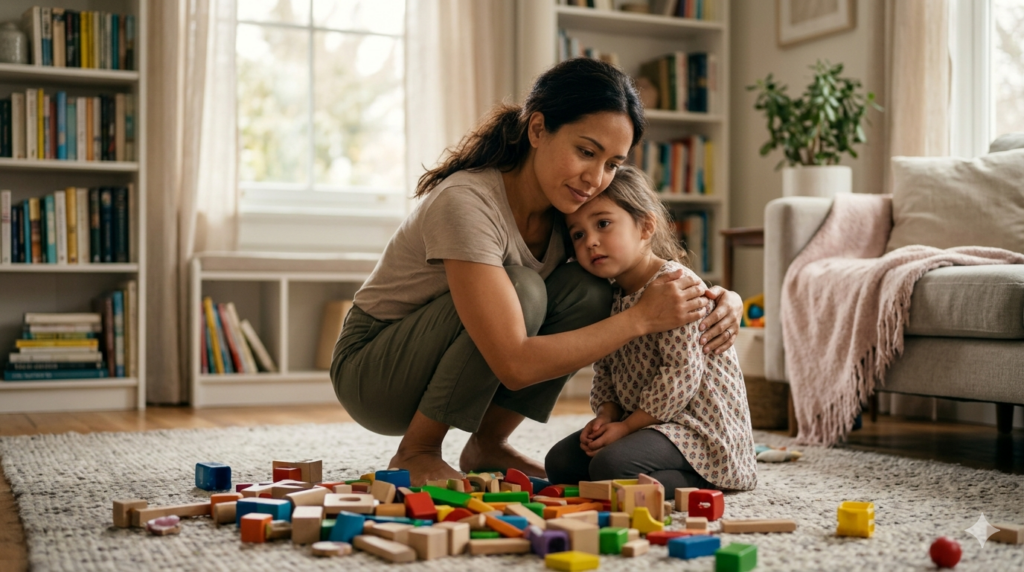
In the busy, fast-paced life of a modern parent, it is easy to feel like you are constantly talking but never truly being heard. Your day might be filled with giving instructions, managing complex schedules, and correcting behavior as it happens. However, the most powerful tool in your parenting toolkit is actually not your voice, but your ears. Active listening is the process of hearing more than just the words your child says. It is about listening for the feelings, the needs, and the heart behind the behavior. When we practice active listening, we tell our children that their internal world is valuable and that we are fully present with them. This deep sense of being heard is the foundation of cooperation and trust in any home, regardless of where in the world you live.
Active listening is a skill that requires a great deal of patience and intention. In 2026, where digital distractions are everywhere, giving your child your undivided attention is one of the greatest gifts you can offer. It is the profound difference between simply hearing noise and truly understanding a human being. For parents of young children, this skill is especially vital because children often lack the complex vocabulary needed to explain why they are upset or frustrated. Through active listening, you become a translator for their emotions, helping them navigate a world that often feels confusing and big. It is a fundamental building block of lifelong emotional intelligence.
Why active listening is the heart of conscious parenting
Many traditional parenting methods focus primarily on getting a child to listen to the parent. The goal in these older models is often immediate compliance with rules and quick cooperation. While following instructions is certainly important for safety and a functioning household, a child is much more likely to listen to you if they feel heard by you first. Active listening creates a two-way street of mutual respect. When a child feels that their parent truly understands their perspective, their biological need for connection is met. This lowers their stress levels and makes them much more open to guidance and cooperation.
When we fail to practice active listening, we often find ourselves stuck in a cycle of shouting, repeating ourselves, and feeling deep frustration. This friction often escalates because if a child feels ignored, misunderstood, or dismissed, they will often increase the volume or intensity of their behavior to get your attention. They might start shouting, throwing things, withdrawing emotionally, or acting out in ways that are difficult for the whole family. By choosing to listen actively before the situation escalates, you can often prevent a meltdown before it even begins. You are addressing the root cause of the behavior rather than just reacting to the surface-level noise.
The biological impact of being heard and understood
There is a real, measurable physical change that happens in a child’s brain when they experience active listening from a caregiver. When a parent stops what they are doing, leans in, makes eye contact, and reflects back what the child is feeling, it sends a powerful signal of safety directly to the child’s nervous system. This lowers cortisol levels and activates the vagus nerve, moving the child’s body away from stress and toward a state of rest and calm.
Essentially, active listening helps your child’s brain move from a state of fight or flight back into a state of logic and connection. A child who is heard is a child who can finally think clearly. This state of physiological safety is required for any real learning or problem-solving to occur. By providing this safe space, you are helping your child develop the neural pathways they need to regulate their own emotions as they grow into adulthood. You are not just solving a temporary problem in the moment; you are building the architecture of their future mental health and resilience.
How to practice active listening in your daily routine
Active listening is more about your physical presence than the actual words you speak. It involves your whole body, your facial expressions, and your full, undivided attention. Many parents find that simply making a few small physical shifts can dramatically change how their child responds to them. Here are the practical steps to mastering this skill during the little years of your child’s life.
First, you must get down on their level. Physical proximity and height dynamics matter intensely to young children. When your child wants to tell you something, especially something difficult or emotional, stop what you are doing and crouch or kneel to get down on their eye level. This simple movement shows them that you are prioritizing their voice over your current task. It removes the intimidating power dynamic of a large adult looking down on a small child and replaces it with a sense of partnership and mutual respect.
Second, use non-verbal cues to show you are engaged. You can listen with much more than just your ears. Nodding your head gently, maintaining soft eye contact, and using encouraging facial expressions show your child that you are following their story. These cues provide constant feedback that you are present and interested in what they have to say, even if they are just telling you a long and winding story about a toy or a dream. These small signals tell the child that their thoughts are worth your time.
Third, reflect and validate their feelings. The most important part of active listening is reflecting back what you hear and see without judgment. This is not about repeating their words exactly, but about identifying the underlying emotion. If your child is crying because their toy broke, you can say that you see they are very sad because that toy was special to them. This validation tells the child that their feelings make sense to you. It helps them label their own emotions, which is a key step in developing the ability to regulate themselves later on.
Overcoming the common barriers to active listening
Every parent has days where active listening feels difficult or nearly impossible. The mental load of managing a household and a career can make us feel like we have no room left in our minds for one more story or one more complaint. Recognizing these barriers is the first step toward overcoming them so you can stay connected.
One of the biggest barriers in our modern world is the constant distraction of technology. It is very tempting to check a notification or answer a quick message while our child is talking. However, even a brief glance at a phone sends a powerful signal that the device is more important than the child. Practice putting your phone away during transition times like immediately after school, during family meals, and throughout the bedtime routine. These are the peak times when your child needs your active listening the most to feel secure.
Another barrier is the natural urge to fix or solve the problem immediately. As parents, we have a deep desire for our children to be happy and free of struggle. When they come to us with a problem, our instinct is to jump in and offer a solution. However, jumping straight to a solution can actually make a child feel dismissed or incapable. Often, they do not want you to fix the problem; they just want you to understand how the problem feels. By staying in the listening phase longer, you allow your child to develop their own problem-solving skills while feeling fully supported by your presence.
Finally, our own internal noise can get in the way. If you are stressed, hungry, or completely overwhelmed, your capacity for active listening will naturally be low. You cannot pour from an empty cup. It is perfectly okay to be honest with your child in these moments. You can tell them that you really want to hear their story but your brain is a bit full right now, and you will listen fully in five minutes after you finish a small task or take a deep breath. This models healthy boundaries and ensures that when you do listen, you can give them your best and most attentive self.
The long term benefits of an active listening home
When active listening becomes the default communication style in your family, the entire atmosphere of the home begins to shift toward peace. There is a greater sense of cooperation because everyone feels that their voice has weight and meaning. This builds a deep, unshakable sense of self-worth in your child. They grow up knowing that their thoughts and feelings matter to the people who mean the most to them. This gives them the confidence to speak up for themselves in the outside world and set healthy boundaries as they grow.
As your child enters the teenage years, the foundation of active listening you built in the little years will be your greatest asset. If they know you will listen to their small struggles without judgment, criticism, or immediate correction, they will continue to come to you with the big, complex issues they face later in life. You are building a bridge of trust that is designed to last a lifetime. Active listening helps keep the relationship strong and resilient even when the parenting journey gets more complicated.
Moving from hearing to truly understanding
Active listening is a lifelong journey, not a destination you reach and finish. You will not get it right every single time, and that is completely okay. What matters most is the intention and the willingness to keep coming back to the practice. Every time you stop what you are doing to truly hear your child, you are laying another brick in the foundation of their emotional health and security. You are teaching them how to be a good friend, a good partner, and a good human being by showing them what it feels like to be respected.
By choosing to listen more and talk less, you are opening up a world of connection that many families never get to experience. You are discovering the beautiful, complex, and wonderful person your child is becoming. You get to know their unique way of looking at the world. Enjoy the stories, validate the big feelings, and watch as your relationship flourishes through the simple, profound act of listening.
Teaching your child to listen by modeling
One of the most effective ways to teach your child how to be a good listener is to model that behavior for them. Children are like sponges, and they learn much more from what we do than from what we say. When they see you practicing active listening with them, with your partner, and with other people, they begin to understand that this is how we show respect and care for others.
You can even turn listening into a playful part of your day. During walks, you can pause to see how many different sounds you can both identify. During story time, you can ask open-ended questions that encourage them to think about how a character might be feeling. These small activities help hone their auditory focus and their empathy simultaneously. When you notice them listening well to a friend or a sibling, offer positive reinforcement. Let them know you noticed how they stayed quiet and looked at their friend while they were talking. This encourages them to keep practicing the skill.
Active listening during moments of conflict
Active listening is most challenging, and most necessary, during moments of conflict or disagreement. When a child is angry or behaving in a way that is difficult, our instinct is often to defend our position or shut down the behavior immediately. However, if you can pause and listen to the frustration behind the behavior, the conflict often de-escalates much faster.
Instead of arguing back, try reflecting the anger you see. You might say that you can tell they are very upset because they didn’t get to have the snack they wanted. This does not mean you are giving in to the snack request; it just means you are acknowledging the reality of their disappointment. When a child feels that their frustration is seen, they no longer have to shout to be heard. This opens the door for a much calmer conversation about rules and boundaries.
Creating a lifelong legacy of communication
The way we listen to our children in the little years sets the stage for how they will communicate for the rest of their lives. If they grow up in a home where their voice is valued, they will enter adulthood with a strong sense of agency and the ability to listen to others with empathy. You are raising a person who knows how to hold space for others and who expects to be treated with the same respect.
This legacy of communication is one of the most powerful gifts you can give. It transcends culture and location, providing your child with a universal skill that will serve them in every classroom, every boardroom, and every relationship they ever enter. By choosing to prioritize active listening today, you are investing in a future where your child feels confident, connected, and deeply understood.
Taking the next step in your communication journey
Mastering active listening can feel like a tall order when you are also managing the daily logistics and stresses of parenting. It is a skill that takes practice, patience, and often requires a fresh perspective to see where the communication gaps are in your specific home and with your child’s unique personality.
If you are ready to transform the way you communicate and build a deeper connection with your child, we are here to support you. We can help you identify your listening triggers and provide you with personalized strategies and communication frameworks that fit your lifestyle. We want to help you foster a home environment where everyone feels heard, valued, and respected.
Book a free discovery session via the button on our main navigation bar so we can help you master active listening and build a more peaceful, connected home with your child.