
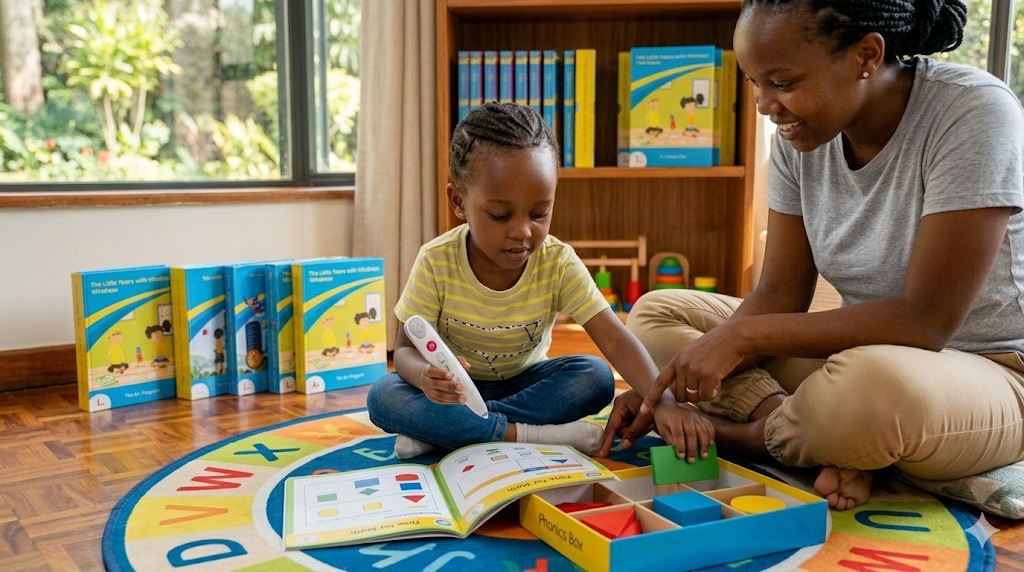
The transition to kindergarten is a monumental milestone in a young child’s life, and it is entirely natural for parents to feel a wave of anticipation mixed with a little anxiety. As you look at your toddler, you might wonder if they are fully prepared for the structured environment, the social dynamics, and the early academic concepts of big school. Take a deep breath and know that you are already doing an incredible job. Preparing your child for this next big step does not require formal classroom drills or high-pressure flashcards. Instead, the most effective way to build a confident, capable learner is to foster kindergarten readiness in toddlers through everyday routines, playful interactions, and loving guidance.
By focusing on a child’s natural curiosity and embedding foundational skills into daily life, you can alleviate the pressure and replace worry with excitement. True school readiness is holistic. It spans emotional resilience, social collaboration, physical independence, and a joyful enthusiasm for discovery. When we focus on these areas gently and consistently, young children thrive. Here is how you can naturally nurture the essential skills your child needs to step into their first classroom with a smile, feeling secure, capable, and ready to learn.
Building Social and Emotional Confidence Gently
When children step into a kindergarten classroom, their emotional security is the foundation upon which all academic learning is built. A child who feels safe, understood, and capable of managing big feelings is a child who is ready to absorb new information, make friends, and navigate a new environment.
Developing emotional regulation begins within the safety of your home. Toddlers experience vast waves of emotion, and helping them identify these feelings is the first step toward self-regulation. You can introduce emotional literacy by naming emotions during casual moments. Pointing out characters in picture books and discussing how they might feel guides your child to recognize facial expressions and body language. When a toddler learns to identify happiness, sadness, frustration, and excitement in others, they begin to understand their own inner world. This emotional vocabulary allows them to express their needs clearly to teachers and peers, reducing the frustration that often leads to classroom behavioral challenges.
In addition to identifying feelings, fostering independence in daily self-care routines is a profound confidence booster. Kindergarten requires children to manage small personal tasks with minimal assistance. You can easily integrate these opportunities into your morning and evening rhythms. Encourage your toddler to practice putting on their shoes, zipping up their jacket, opening their lunchbox, and washing their hands independently. Celebrate these small victories with genuine enthusiasm. Every time your child successfully navigates a zipper or packs their own backpack, their self-image shifts. They begin to view themselves as independent individuals who can handle challenges, directly preparing them to manage the classroom routine with ease and autonomy.
Social collaborative skills are equally vital for a harmonious classroom experience. Sharing, taking turns, and cooperating do not always come naturally to toddlers, as their developmental focus is inherently self-centered. You can model and practice these cooperative behaviors through family gameplay. Simple board games, building a block tower together, or sharing a set of art supplies during a family crafting session offer perfect opportunities to practice waiting and taking turns. Use encouraging language to highlight the joy of collaboration, showing them how working together makes playtime even more creative and fun. These gentle home experiences translate beautifully into the classroom, enabling your child to build positive, empathetic relationships with their new classmates.
Nurturing Communication and Language Power
Language is the primary tool your child will use to navigate their new educational world. Strong verbal communication allows them to express thoughts, ask for assistance, connect with peers, and understand instructional directions from their teacher. Nurturing these verbal skills can be a delightful and conversational part of your daily life.
To enhance oral language and comprehension, immerse your child in a rich auditory environment. Engaging in meaningful, multi-turn conversations throughout the day expands their vocabulary and sharpens their listening skills. During car rides, grocery shopping trips, or meal preparations, describe what you are doing, ask open-ended questions, and listen attentively to their responses. Giving your toddler the time to formulate their thoughts and articulate their ideas sends a clear message that their voice matters. This conversational practice trains them to follow two- or three-step instructions, an essential skill for a busy classroom setting where teachers guide students through multi-stage activities.
Shared reading experiences are arguably the most powerful way to cultivate early literacy skills and a lifelong love for books. Reading together should be an interactive, joyful experience rather than a passive activity. As you turn the pages, invite your child to point to illustrations, predict what might happen next, or describe what the characters are doing. This interactive dialogue builds print awareness, which is the understanding that letters and words carry specific meaning and are read from left to right. By exploring books together frequently, you foster kindergarten readiness in toddlers by associating reading with warmth, safety, and fascinating discovery, ensuring they approach early reading instruction with eagerness and curiosity.
Phonological awareness, which involves recognizing the individual sounds in spoken language, can be developed through play. Incorporate nursery rhymes, silly tongue twisters, and rhyming songs into your daily playtime. Sing songs together while dancing in the living room, and play simple word games like finding objects around the room that start with the same sound. These playful auditory activities train your child’s ear to distinguish distinct sounds within words, creating a smooth pathway for the phonics and decoding skills they will encounter in kindergarten.
Enhancing Physical Coordination and Fine Motor Skills
A child’s physical readiness impacts their ability to engage fully in classroom activities. Fine motor skills are essential for tasks like writing, cutting with scissors, and manipulating learning materials, while gross motor skills provide the core strength and stamina needed to sit comfortably at a desk and participate in active play.
Strengthening the small muscles in the hands and fingers prepares children for the physical demands of writing. You can provide a variety of engaging, tactile materials at home to develop this dexterity. Playdough manipulation, threading large beads onto yarn, tearing paper for collage art, and playing with building bricks are excellent ways to strengthen fingers. Encourage your child to use various writing utensils, such as chunky crayons, washable markers, and finger paints, to explore mark-making. These activities build hand-strength and improve hand-eye coordination, making the transition to holding a pencil and learning to write a comfortable and natural progression.
Gross motor development is equally fundamental for classroom success. Core physical strength allows children to maintain proper posture while sitting on the rug for circle time or working at a table, preventing physical fatigue during the school day. Provide ample opportunities for outdoor play where your toddler can run, jump, climb, balance, and skip. Navigating playground equipment, kicking a ball, and playing chase build large muscle groups, spatial awareness, and physical coordination. A physically active child develops the stamina required to sustain focus and energy throughout a structured school day.
Spatial awareness and body control help children navigate the physical classroom environment safely and respectfully. You can practice these concepts indoors through playful movement games. Play games where your child practices moving slowly like a turtle, quickly like a rabbit, or freezing in place when music stops. These playful challenges teach children how to control their physical movements and respect personal boundaries, ensuring they can move through a classroom or stand in a line with their peers harmoniously.
Cultivating Thinking and Early Math Skills Creatively
Early academic readiness is not about memorizing advanced math facts or reading full sentences before the first day of school. Instead, it centers on developing critical thinking, problem-solving abilities, and a conceptual understanding of how the world works.
Mathematical thinking can be woven seamlessly into your everyday household routines. Objects found around the home provide perfect tools for mathematical exploration. During cleanup time, invite your toddler to sort toys by color, shape, or size. When folding laundry, ask them to match socks or categorize clothes by family member. Count the steps as you walk up the stairs, count the apple slices on their snack plate, or count the blue cars you pass during a walk. These activities build a strong understanding of one-to-one correspondence, which is the concept that each counted object corresponds to a specific number. Experiencing math as a practical, visible tool in everyday life removes abstract intimidation and builds a joyful confidence in analytical thinking.
Igniting scientific curiosity and problem-solving skills simply requires encouraging your child’s natural desire to investigate. Toddlers are instinctive scientists, constantly asking questions and testing hypotheses. Encourage this exploration by inviting them to help with simple baking recipes, exploring the textures of leaves and rocks in the backyard, or experimenting with floating and sinking objects during bath time. When your child encounters a minor challenge, such as a puzzle piece that does not fit or a block tower that topples, resist the urge to step in immediately. Ask guiding questions to encourage them to analyze the situation and try a different approach. Developing this cognitive resilience helps children view mistakes as valuable opportunities to learn, an essential mindset for academic growth.
Nurturing visual discrimination and cognitive focus can be achieved through relaxing, quiet activities. Puzzles, memory matching games, and pattern-making with colorful blocks sharpen visual tracking and attention span. Mastery of these skills is directly linked to the ability to distinguish between different letters and numbers, such as recognizing the visual difference between a b and a d. Engaging regularly in these focused activities helps your toddler develop the concentration necessary to engage with classroom lessons and independent tasks successfully.
Fostering a Joyful and Curious Learning Mindset
The ultimate goal of preparation is to send your child to school with a heart full of curiosity and a deep love for discovery. A child who is excited to learn will naturally navigate the academic and social challenges of kindergarten with resilience and enthusiasm.
Creating a positive association with the concept of school is vital for easing parental and child anxiety. Talk about kindergarten with genuine warmth and excitement. Share positive stories about your own school experiences or read comforting picture books about characters who are starting their first day of school. Discuss the exciting new experiences awaiting them, such as exploring the school library, playing on the playground, creating beautiful artwork, and making wonderful new friends. Framing school as a magical place of growth and adventure helps transform any lingering anxiety into a sense of joyful anticipation.
Supporting your child’s natural curiosities allows them to take ownership of their learning journey. Notice what captures your toddler’s attention, whether it is a fascination with dinosaurs, a love for trucks, or a deep interest in insects, and dive into those topics together. Visit the local library to find books on their favorite subjects, engage in creative art projects inspired by their interests, and explore community spaces that feed their curiosity. When children see that their interests are valued and explored, they learn to view themselves as capable discoverers, carrying that proactive enthusiasm directly into their kindergarten classroom.
Emphasizing the beauty of the learning process rather than perfect outcomes forms a healthy academic foundation. When your child shows you a drawing or a built structure, focus your praise on their effort, creativity, and perseverance rather than just the final product. Use descriptive praise to highlight their concentration and problem-solving. This approach builds a growth mindset, teaching children that capability and intelligence are developed through practice, curiosity, and effort. Equipped with this understanding, your child will enter kindergarten embracing new challenges with confidence, knowing they have the tools to learn and grow.
Transitioning to the New Routine Peacefully
As the first day of kindergarten approaches, establishing predictable rhythms can provide immense comfort to both you and your child. Familiar routines offer a sense of security, helping toddlers feel grounded and prepared for the structural shifts ahead.
Gradually adjusting sleep schedules and morning routines a few weeks before school begins ensures a smooth physical transition. Ensure your toddler is getting adequate rest by establishing a calming, consistent bedtime routine that aligns with the school schedule. Wake up at the time you will need to on school mornings, allowing plenty of time for a nutritious breakfast and a relaxed, unhurried start to the day. Eliminating morning rush reduces stress for the entire family, allowing your child to arrive at school feeling calm, centered, and ready to embrace the day’s activities.
Visiting the school environment prior to the official start date can demystify the new setting and significantly reduce anxiety. Walk or drive past the school building regularly, point out the playground, and, if possible, arrange a tour of the school or a brief meet-and-greet with the teacher. Familiarizing your child with the physical layout of their new school—where they will hang their coat, where the restrooms are, and where they will sit for stories—transforms the unfamiliar into a welcoming, known space. This physical familiarity provides a comforting anchor, allowing your child to step through the classroom doors on their first day with a sense of belonging and peace.
Trust the incredible foundation you have built together through your everyday interactions. To foster kindergarten readiness in toddlers, you do not need to mimic a formal academic environment at home. Your daily conversations, shared stories, backyard explorations, and loving boundaries have already given your child the essential tools they need to thrive. Approach this new chapter with confidence, celebrating the wonderful, independent learner your toddler is becoming, and look forward to watching them blossom in the exciting world of big school.
If you are navigating the exciting transition to kindergarten and would love customized guidance, strategic educational resources, or professional support to ensure your child’s educational journey starts beautifully, we are here to walk with you every step of the way. Reach out today to discover our curated collection of early childhood learning tools, and let us work together to create an empowering, stress-free pathway to success for your family.