
Foundational Skills (Ability)

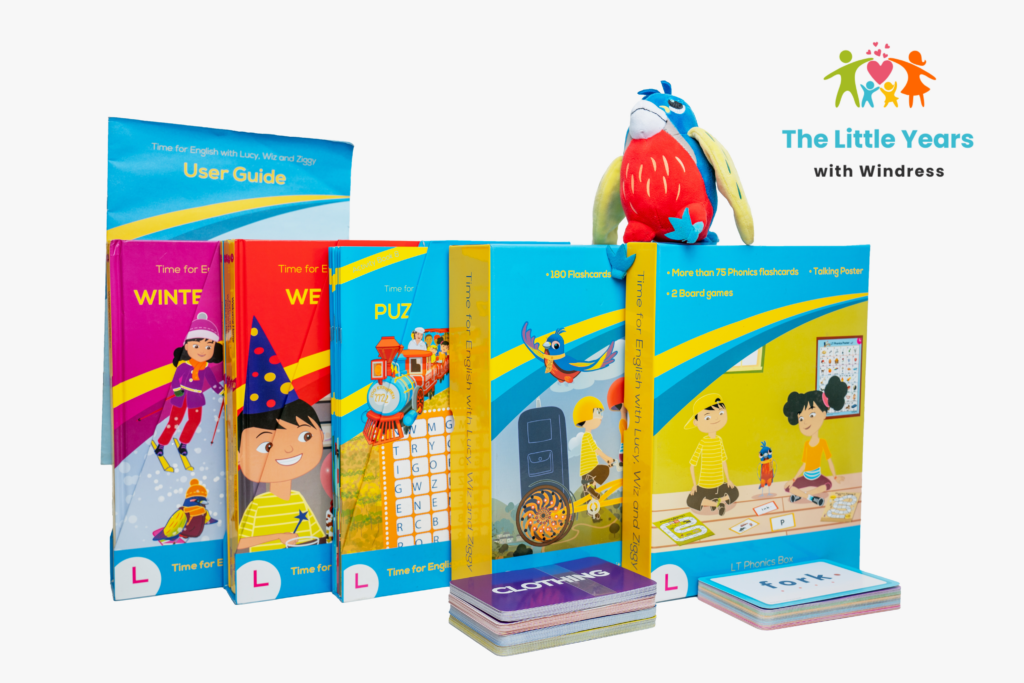
Master the core skills needed for academic excellence. Read articles focused on early literacy, phonics, mathematics, and language development using the immersive Time for English and Time for Math sets. Get actionable advice from The Little Years with Windress to ensure your child builds strong, lasting Ability in reading and numeracy.

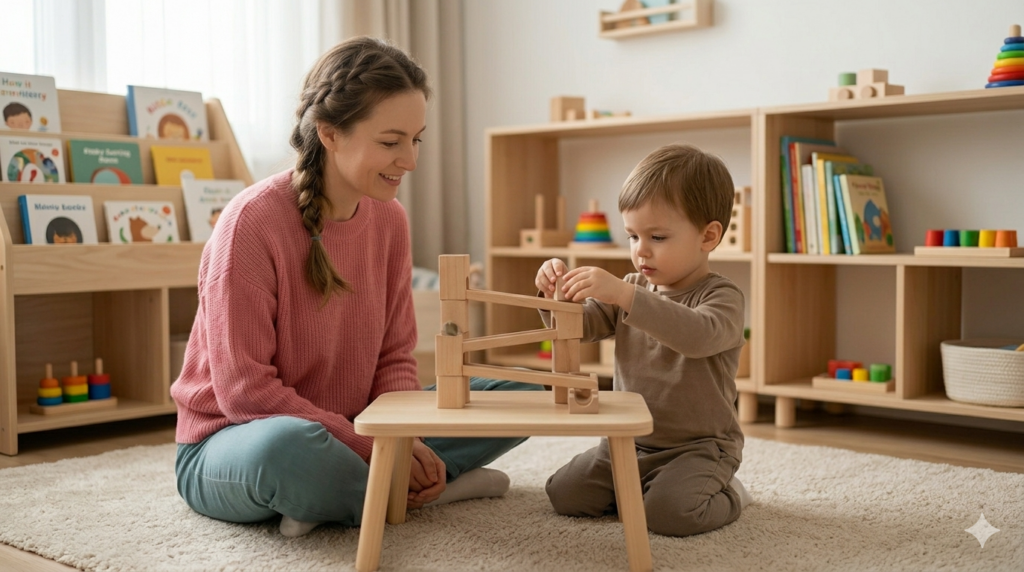
Why Passive Entertainment is Stalling Your Toddler’s Vocabulary (And the 2026 Solution for Active Learning)

In the quiet corners of many modern homes, a silent shift is occurring. It’s the flicker of a tablet screen, the rhythmic beat of a repetitive YouTube nursery rhyme, and the motionless gaze of a toddler absorbed in passive entertainment. As we navigate 2026, the digital landscape has become more immersive than ever. However, developmental […]

Why Passive Entertainment is Stalling Your Toddler’s Vocabulary (And the 2026 Solution for Active Learning) Read More »

How Parents Can Identify and Support a Child’s Unique Cognitive Rhythm

Understanding Cognitive Rhythm as a Developmental Blueprint Every child possesses a unique “cognitive rhythm” – a specific tempo at which they process information, focus their attention, and synthesize new concepts. As intentional parents, recognizing this rhythm is the difference between a child who experiences learning as an exciting challenge and one who feels overwhelmed by

How Parents Can Identify and Support a Child’s Unique Cognitive Rhythm Read More »

A Parent’s Guide to Mastering and Tracking Early Childhood Milestones

Why Tracking Milestones Matters Developmental milestones – those key skills like walking, talking, or recognizing shapes – are like signposts on a map. They tell you where your child is on their journey and, more importantly, when they might need a little extra support to reach the next big step. Tracking these is not about

A Parent’s Guide to Mastering and Tracking Early Childhood Milestones Read More »

The A+ Program: How Parents Can Unlock a Child’s Full Potential

The Architecture of Potential Every child is born with an extraordinary capacity for learning, but “potential” is not a static trait – it is a reservoir that must be tapped through systematic stimulation. For children aged 0 to 6, this development is driven by the neural architecture they build in their daily environment. The Learning

The A+ Program: How Parents Can Unlock a Child’s Full Potential Read More »

Supporting Your Child’s Natural Curiosity Through Every Developmental Stage

Why Curiosity Is Your Child’s Best Learning Tool Every child is born with a natural desire to explore, ask “why,” and figure out how the world works. This curiosity is not just cute; it is the engine that drives brain growth. When your child reaches for a new toy, experiments with how things fall, or

Supporting Your Child’s Natural Curiosity Through Every Developmental Stage Read More »

Building Emotional Intelligence and Social Competence in the Early Years

The Foundations of Emotional Intelligence Emotional Intelligence (EI) is a critical cognitive and social framework that determines how a child understands themselves and interacts with the world. For children aged 0 to 6, this is a formative period where the brain is building the neural pathways for empathy, self-regulation, and relational competence. Intentional parenting during

Building Emotional Intelligence and Social Competence in the Early Years Read More »

The Principles of Intentional Parenting for Your Child’s Long-Term Success

The Architecture of Early Childhood Success Intentional parenting is not about following vague theories; it is about providing your child with a structured, high-quality environment where their natural potential can thrive. To achieve long-term success, parents must move away from “accidental parenting” and adopt a systematic approach to early childhood education. The Learning Time A+

The Principles of Intentional Parenting for Your Child’s Long-Term Success Read More »

How Parents Can Nurture Logical Reasoning Skills in a Child’s Early Years

The Foundations of Logical Reasoning Logical reasoning is not a complex, abstract concept reserved for later school years; it is the cognitive ability to identify patterns, understand cause-and-effect relationships, and solve problems systematically. For children aged 0 to 6, this is a critical window for brain development. When parents approach this period with intent, they

How Parents Can Nurture Logical Reasoning Skills in a Child’s Early Years Read More »