
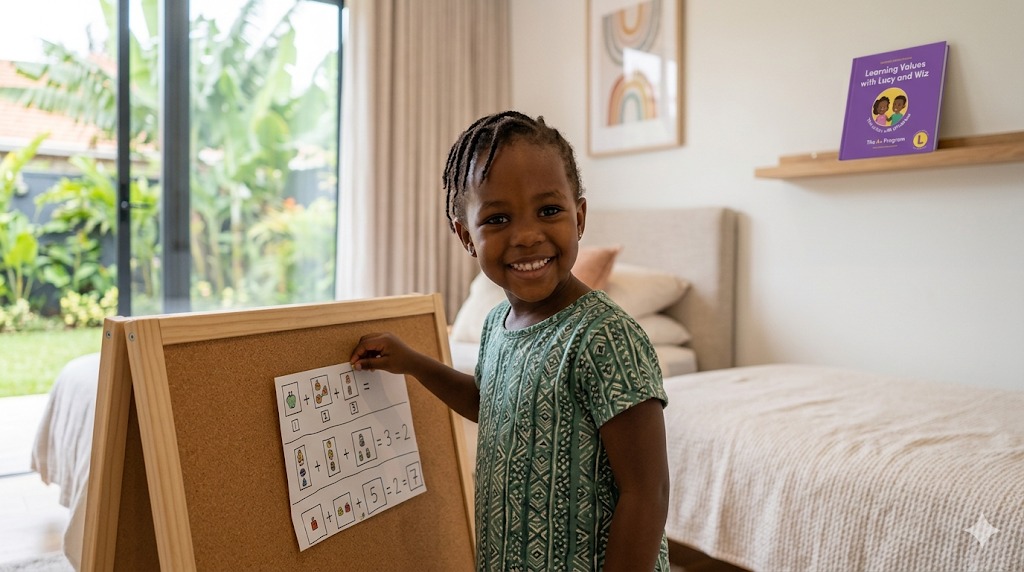
Every parent knows the familiar whirlwind of toddler energy. One moment your little explorer is deeply fascinated by a plastic container, and the next, they are racing across the room in search of something entirely new. In a digital world filled with rapid-fire entertainment and flashing screens, a short attention span and frequent complaints of boredom are common challenges for modern families. It is easy to feel overwhelmed by the constant need to provide new activities to keep your child occupied. However, this high energy is actually a beautiful sign of a healthy, curious mind looking for meaningful connection. The key to unlocking sustained focus is not trying to force a child to sit still, but learning how to improve attention span in toddlers by channeling their natural vitality into immersive, sensory-rich discovery.
When young children wander from task to task, it usually means their environment lacks materials that match their specific developmental stage. Traditional toys often provide passive entertainment, leaving the child as a bored spectator who quickly loses interest. To build strong neural pathways for concentration, children need premium, responsive materials that actively invite participation. By introducing interactive educational tools into your daily household routine, you can turn fleeting curiosity into deep, meditative engagement. This thoughtful approach transforms how your family experiences daily playtime, replacing constant restlessness with a peaceful, structured environment where focus and intellect can blossom naturally.
Understanding the True Nature of Toddler Concentration
To support your child’s cognitive development effectively, it helps to understand what a normal attention span looks like in the early years. Developmentally, a toddler’s capacity for focused attention is directly linked to their age and the complexity of the activity they are doing. A general guideline is that a child can concentrate intensely for about two to three minutes per year of life. This means a two-year-old may focus for four to six minutes on a standard task, while a three-year-old might stay engaged for nine to twelve minutes. Recognizing these natural developmental boundaries brings a wonderful sense of relief, helping parents replace unrealistic expectations with patience, warmth, and strategic encouragement.
However, these timelines are not fixed in stone. When a young child is introduced to a premium, immersive learning experience that engages multiple senses simultaneously, their capacity for focus can expand far beyond these general averages. True concentration occurs when an activity perfectly matches a child’s current capability level—challenging enough to spark curiosity, but accessible enough to prevent frustration. When a child achieves this beautiful state of balance, they enter a natural cognitive flow, remaining completely absorbed in their learning journey for extended periods without needing constant adult intervention.
+-------------------------------------------------------------------------+
|                  AVERAGE DEVELOPMENTAL ATTENTION SPANS                  |
+-------------------------------------------------------------------------+
|  2 Years Old  |  4 to 6 Minutes of Sustained Concentration              |
|  3 Years Old  |  6 to 9 Minutes of Sustained Concentration              |
|  4 Years Old  |  8 to 12 Minutes of Sustained Concentration             |
|  Premium Tools|  Significantly Extended Focus via Multi-Sensory Flow   |
+-------------------------------------------------------------------------+
The goal of implementing intentional learning materials is to gently build this capacity for focus over time. Just like a physical muscle, the brain’s ability to concentrate strengthens with regular, enjoyable exercise. By providing a curated environment filled with high-quality, interactive resources, you give your child the perfect arena to practice sustained attention each day. This consistent practice builds an incredible foundation for future academic success, ensuring your child can approach structured school settings with patience, confidence, and a calm, receptive mind.
The Pitfalls of Digital Saturation and Passive Media
When faced with a restless toddler and a demanding daily schedule, it can be incredibly tempting to turn to smartphones, tablets, or televisions for a brief moment of peace. While digital media can capture a child’s attention instantly, this interaction is fundamentally different from healthy, active concentration. Fast-paced digital programming relies on rapid scene changes, flashing lights, and intense audio cues to hold a child’s gaze passively. This level of overstimulation does not require the brain to exert cognitive effort, which can actually make it more difficult for a child to focus on real-world tasks later on.
When a child becomes accustomed to the instant gratification of a digital screen, real-world objects can begin to feel uninteresting by comparison. Traditional books, building blocks, and outdoor environments require a child to take action to create fun, which is exactly how cognitive development occurs. Passive screen time removes this need for creative effort, often leading to increased irritability, lower patience thresholds, and more frequent bouts of boredom when the device is turned off. Recognizing this dynamic allows parents to make positive, intentional choices to protect their child’s developing attention span.
Embracing a screen-free approach to early childhood enrichment does not mean removing excitement from your child’s life. Instead, it opens the door to a much richer world of tactile, multi-sensory exploration. When you replace passive digital consumption with premium, interactive educational resources, you satisfy your child’s natural craving for dynamic stimulation in a highly beneficial, productive way. This ensures their brain remains active, analytical, and fully engaged, laying a beautiful foundation for long-term intellectual growth and emotional self-regulation.
Channeling High Energy into Sensory Rich Exploration
Toddlers learn about their world through physical touch, sound, sight, and movement. Their entire bodies are fine-tuned to absorb sensory information from their surroundings. When a child appears restless or unable to focus, it is often a sign that their sensory system is seeking deeper engagement. By intentionally designing play experiences that feed these sensory needs, you can naturally lengthen their attention span and turn high physical energy into quiet, concentrated learning.
Multi-sensory learning is incredibly effective because it engages multiple areas of the brain at the same time. When a child looks at a vivid illustration, touches a textured surface, and listens to a clear audio description simultaneously, the concept becomes completely alive for them. This rich combination of inputs anchors their attention firmly to the task at hand, preventing their mind from wandering to outside distractions. It turns an ordinary learning moment into an immersive experience that satisfies their natural curiosity completely.
+-------------------------------------------------------------------------+
|                     THE MULTI-SENSORY LEARNING ANCHOR                   |
+-------------------------------------------------------------------------+
|   [ VISUAL INPUT ]  -> Detailed, real-world imagery & illustrations      |
|         +                                                               |
|   [ AUDITORY PATH ] -> Crystal-clear pronunciations & realistic sounds  |
|         +                                                               |
|   [ TACTILE MOTION ]-> Physically pointing, sorting, and manipulating   |
|         =                                                               |
|   [ DEEP FOCUS ]    -> Extended concentration and natural cognitive flow|
+-------------------------------------------------------------------------+
To implement this effectively at home, choose materials that invite active physical participation. Resources that require your child to point to specific elements, listen for audio feedback, or match physical objects with printed pages are ideal for building concentration. This active involvement gives your child a wonderful sense of control over their learning, building deep personal pride and keeping them enthusiastically engaged with the material for much longer periods.
How Premium Interactive Tools Build Cognitive Stamina
The true magic of premium interactive tools lies in their ability to provide instant, encouraging feedback to a child without needing an adult’s constant guidance. When a learning tool reacts immediately to a toddler’s actions—whether through an exciting sound effect, a beautiful piece of music, or a friendly spoken phrase—it satisfies their desire for exploration. This immediate loop of action and response keeps the experience feeling fresh and dynamic, allowing children to stay focused on an educational book or game for extended periods.
These smart, responsive tools naturally encourage independent problem-solving. If a child touches a picture and hears an unexpected audio response, they are naturally driven to explore further to understand why. This independent investigation builds critical thinking, spatial awareness, and cognitive flexibility. It changes learning from a passive task into an exciting treasure hunt, where the child is the proud director of their own discoveries.
By utilizing high-quality interactive materials, parents can easily establish periods of parallel productivity in the household. You can confidently focus on your professional or household responsibilities, knowing your toddler is independently developing advanced vocabulary and analytical reasoning skills nearby. This balanced arrangement ensures your child’s intellect continues to grow in a screen-free format, while giving you the uninterrupted time you need to manage your daily routine efficiently.
Structuring the Home Environment for Deep Attention
The layout of your home plays a significant role in your child’s ability to maintain focus. A room filled with overflowing toy bins can create visual noise that makes it difficult for a toddler’s mind to settle on a single activity. Designing a serene, organized discovery space helps soothe the nervous system and invites a focused, thoughtful approach to play.
Start by displaying your child’s premium educational books and interactive tools on low, accessible shelves with their covers facing forward. This beautiful arrangement instantly catches the eye and allows your child to select their preferred activity independently. When learning materials are organized clearly, children can transition between tasks with a calm, purposeful mindset, rather than dumping out boxes of toys in search of entertainment.
+-------------------------------------------------------------------------+
|                  DESIGNING FOR FOCUS: BEFORE AND AFTER                  |
+-------------------------------------------------------------------------+
| CHAOTIC LAYOUT:                                                         |
| [ Overstuffed Toy Bin ] -> Visual noise, brief play, instant boredom    |
|                                                                         |
| PURPOSEFUL LAYOUT:                                                      |
| [ Low Shelf / Covers Forward ] -> Inviting choice, independent focus    |
+-------------------------------------------------------------------------+
Incorporate a comfortable, child-sized table and chair or a soft rug with plush cushions to define the designated learning zone. Keep this area free from distracting background noise, such as a television playing in another room. A quiet, orderly environment tells your child’s brain that it is time for peaceful exploration, helping them settle into a task and build the deep concentration skills that will serve them beautifully throughout their entire academic journey.
Expanding Toddler Literacy through Interactive Audio Systems
Introducing high-quality audio components into early reading routines is an exceptional way to improve attention span in toddlers. While traditional picture books are wonderfully beneficial, combining printed literature with responsive, high-fidelity sound technology creates an interactive experience that captures a young child’s focus completely.
Smart audio systems allow children to hear complex vocabulary, realistic animal sounds, and beautiful foreign languages pronounced perfectly as they turn the pages of a book. This interactive feedback helps toddlers connect written words with their actual sounds and meanings independently. It brings real-world topics like geography, nature, and science to life, making abstract concepts concrete and endlessly fascinating for a young mind.
This rich auditory feedback also supports early language development. As children listen to clear pronunciations, they naturally repeat the sounds, expanding their vocabulary and improving their pronunciation skills. The ability to control the audio elements independently builds deep confidence, turning reading into a highly engaging, self-directed activity that toddlers return to eagerly every single day.
The Beautiful Impact of the Learning Time A Plus Program
For families looking for a comprehensive solution to foster deep focus, the Learning Time A+ Program offers a premium, beautifully designed ecosystem of educational resources. This systematic program is specifically engineered to nurture independent, self-guided discovery, making it a perfect addition to a busy, modern household. It brings together vivid visual design, tactile learning components, and advanced audio technology to create a complete world of early childhood enrichment.
At the very heart of this system is the innovative Eltee Pen, a smart, responsive audio reading device that works seamlessly with the Time to Learn book series and the Time for Math kits. With a gentle touch of the pen to any page, illustration, or flashcard, your child unlocks clear pronunciations, realistic sound effects, and encouraging guidance. This intuitive technology gives your toddler the power to explore complex educational concepts entirely on their own, allowing you to focus completely on your own daily tasks nearby.
+-------------------------------------------------------------------------+
|                  THE LEARNING TIME A+ INTERACTIVE LOOP                  |
+-------------------------------------------------------------------------+
| 1. Child Touches Page with Eltee Pen  -> Simple physical action         |
| 2. Pen Plays Immersive Audio Track    -> Instant sensory feedback       |
| 3. Child's Curiosity is Satisfied     -> Prolonged engagement & focus   |
| 4. Child Explores Next Page           -> Continuous cognitive growth     |
+-------------------------------------------------------------------------+
The program removes the guesswork from early childhood development by providing a clear, sequential learning path that grows alongside your child. Every story, puzzle, and audio file is designed to build on the last lesson, ensuring your child develops advanced language skills and logical thinking naturally. By integrating the Learning Time A+ Program into your family’s routine, you can easily turn restless energy into joyful concentration, helping your toddler grow into a calm, focused, and exceptionally confident learner.
Nurturing Lifelong Focus and Emotional Self Regulation
The thoughtful strategies and premium interactive tools you introduce to your toddler today provide immense cognitive and emotional benefits that last a lifetime. Children who learn the art of deep, self-guided focus during their early years develop an exceptional capacity for critical thinking, independent problem-solving, and creative expression. They enter formal school environments with an advanced vocabulary, strong reading readiness, and a genuine enthusiasm for knowledge.
This early foundation also nurtures strong emotional resilience and self-regulation. When children know how to engage their minds in productive, independent play, they are much less likely to experience the frustration or irritability that often comes from constant boredom. They learn to view new challenges as exciting puzzles to be solved with patience and curiosity, rather than obstacles to be feared. This confident approach allows them to handle future academic and personal milestones with wonderful poise and self-assurance.
The peaceful habits of concentration you model and encourage within your home create a stable, supportive environment where your entire family can thrive. By surrounding your child with high-quality, screen-free educational resources, you are protecting their natural attention span and setting them on a brilliant path of discovery. You are helping them grow into a calm, articulate, and deeply capable individual who possesses all the tools necessary to listen, learn, and lead with confidence in a dynamic world.
Discover how to transform restless energy into joyful concentration by exploring our curated selection of premium, multi-sensory educational systems. If you would love to experience these innovative tools firsthand and see how beautifully they can enhance your child’s focus and independence, reach out to schedule a personalized demonstration. Contact our educational consulting team today, and let us partner with you to design a peaceful, supportive learning environment that helps your toddler thrive.