
By 2026, the digital novelty has worn off for many proactive parents in Nairobi. While tablets were once seen as a quiet time savior, we are now seeing the long-term impact on focus and fine motor skills. The most common question I hear during my discovery sessions at The Little Years with Windress isn’t just about the why, but the practical how. Specifically, parents want to know how to replace tablets with tactile tools without triggering a household crisis or constant tantrums.
The shift toward a Tactile-First home isn’t about being anti-technology; it’s about being pro-brain. In the early years (0-6), the brain builds its strongest neural pathways through physical resistance, multi-sensory textures, and real-world cause and effect. This guide provides a strategic, empathetic roadmap for making that transition seamless and joyful.
Why the Shift to Tactile Tools is Non-Negotiable in 2026
Before we dive into the how, we must understand the why. When a child uses a tablet, their brain is in a state of high-arousal but low-engagement. The reward (lights and sounds) comes with zero physical effort. This creates a dopamine loop that makes real-world activities feel boring by comparison.
When you learn how to replace tablets with tactile tools, you are essentially giving your child’s brain a sensory upgrade. Tactile tools – like modeling clay, physical blocks, or interactive books – require the child to use their hands, eyes, and ears in a synchronized way. This synchronization is what builds the deep work capacity they will need for school and professional life in the future.
Preparing the Environment for the Transition
You cannot successfully learn how to replace tablets with tactile tools if the tablet is still sitting on the coffee table. The transition starts with the environment.
- The Out of Sight Rule: Start by designating No-Screen Zones in the house. The bedroom and the dining table are the most critical.
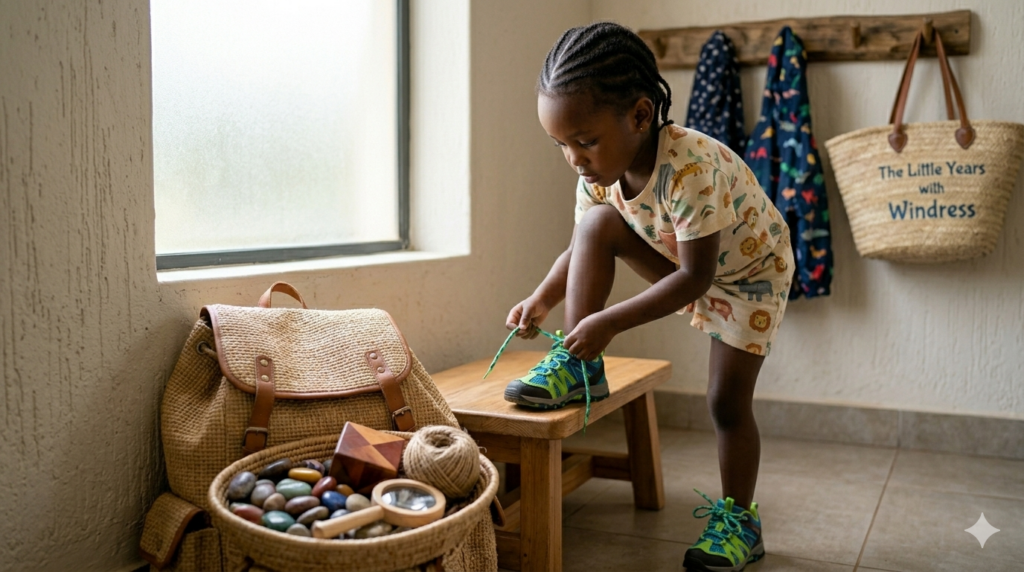
- The Visible Alternative: Replace the physical space where the tablet used to sit with a Sensory Tray. This could include colorful modeling clay, a basket of smooth river stones, or a set of textured fabrics. When the child reaches for their usual distraction, they find a physical attraction instead.
Introducing Gateway Tactile Tools
The biggest mistake parents make is trying to replace a high-stimulus iPad with a plain, black-and-white book. The transition needs to be gradual. You need tools that offer the feedback of tech with the benefits of the physical world.
1. The Eltee Pen as a High-Response Tool
The Learning Time A+ Program is the ultimate Gateway Tool. Because the silver Eltee Pen (sleek, metallic, and white) talks back to the child, it provides that instant gratification they are used to from a tablet. However, it requires the child to physically move their hand and point at the page. This is the first step in re-training the brain to lead the interaction rather than just watching it.
2. Sensory Play and Modeling Clay
As we see in our lifestyle photography, something as simple as messy modeling clay is a powerhouse of development. It offers proprioceptive feedback – the brain has to calculate how much force the fingers are using. This is how to replace tablets with tactile tools in a way that feels like play but acts like therapy.
Co-Regulation – The Secret Ingredient
A tablet is a babysitter, but a tactile tool is a connector. In the first week of your transition, you cannot simply hand your child a book and walk away. They will likely protest because the effort of a physical book is higher than the ease of a screen.
Spend 15 minutes of Co-Play. Sit on the floor, use the Eltee Pen together, or squish the clay alongside them. Your presence acts as a bridge. Once they find the joy in the physical discovery, they will begin to seek it out independently.
Building Logic and Math through Physical Puzzles
As the child becomes more comfortable with offline play, we move into logical tools. In 2026, we see a massive difference in spatial reasoning between children who use puzzling apps and those who use physical blocks. A physical block has weight, balance, and gravity. These are lessons a screen can never teach.
Our Time for Math and A+ Program games turn logical problems into tactile challenges. When a child physically moves a tile to solve a math problem, the Aha! moment is much more neurologically significant than clicking a button on a glass screen.
The Windress Expert Partnership – Your Custom Solution
Every family is different. Some children are driven by high-energy outdoor play, while others are little engineers who want to sit and build. This is why The Little Years with Windress doesn’t believe in generic advice.
Our Free Discovery Sessions are the heart of what we do. Whether it’s a Zoom call, a WhatsApp conversation, or a physical meeting in Nairobi, Windress facilitates a safe space for you to:
- Listen: We want to hear the specific struggles you face with screen-time tantrums.
- Analyze: We look at your child’s current developmental milestones.
- Custom Solution: We draft a roadmap on how to replace tablets with tactile tools using a curated selection of our A+ Program, digital products, and future parenting courses.
Conclusion: From Passive Viewers to Confident Thinkers
The journey of learning how to replace tablets with tactile tools is one of the most rewarding investments you can make in your child’s 0-6 window. You are trading short-term quiet for long-term capability. You are choosing a path that leads to a sharp mind, an organized thought process, and a child who is fundamentally connected to the physical world around them.
✨ Book Your Free Discovery Session Today
Are you ready to witness the transition from digital silence to tactile joy?
Reach out to Windress for a one-on-one, complimentary personal demonstration. Whether you prefer a Zoom meeting, a normal call, or a physical meeting, Windress is here to listen to your needs and offer a custom solution for your child’s early years.
📧 Email: inquiries@thelittleyearswithwindress.com
📞 WhatsApp/Call: +254 791 239 414