
Parents often look for meaningful ways to encourage independent learning habits in toddlers so that young children feel empowered to explore the world with confidence. It is a beautiful milestones when a young child shifts from constantly seeking external entertainment to happily engaging with an activity on their own. This early transition builds vital cognitive pathways, strengthens problem-solving abilities, and instills a deep sense of personal capability that lasts a lifetime. Supporting this development does not mean leaving a child isolated; rather, it involves creating a secure, rich, and responsive environment where exploration feels natural, safe, and deeply rewarding. By understanding the developmental readiness of young minds, families can introduce simple, impactful adjustments at home that turn daily playtime into a powerful engine for self-reliance.
Every child possesses an innate curiosity about their surroundings. From the moment they learn to reach, grasp, and move, they are actively gathering data about how the world functions. When parents purposefully design spaces and routines to channel this natural curiosity, they unlock the child’s potential for self-directed growth. Moving away from constant direct intervention allows toddlers to experience the joy of discovery firsthand. This educational approach transforms the home into a peaceful laboratory of learning, where the child takes the lead and the parent serves as an encouraging guide.
The Foundation of Autonomy in Early Childhood
Building early self-reliance begins with understanding how a toddler perceives their ability to impact their environment. In the early stages of growth, children learn through cause and effect. When they press a button, turn a page, or stack a block, they are experiencing their own agency. Recognizing this desire for mastery is the first step toward fostering healthy autonomy.
Designing a Responsive Environment
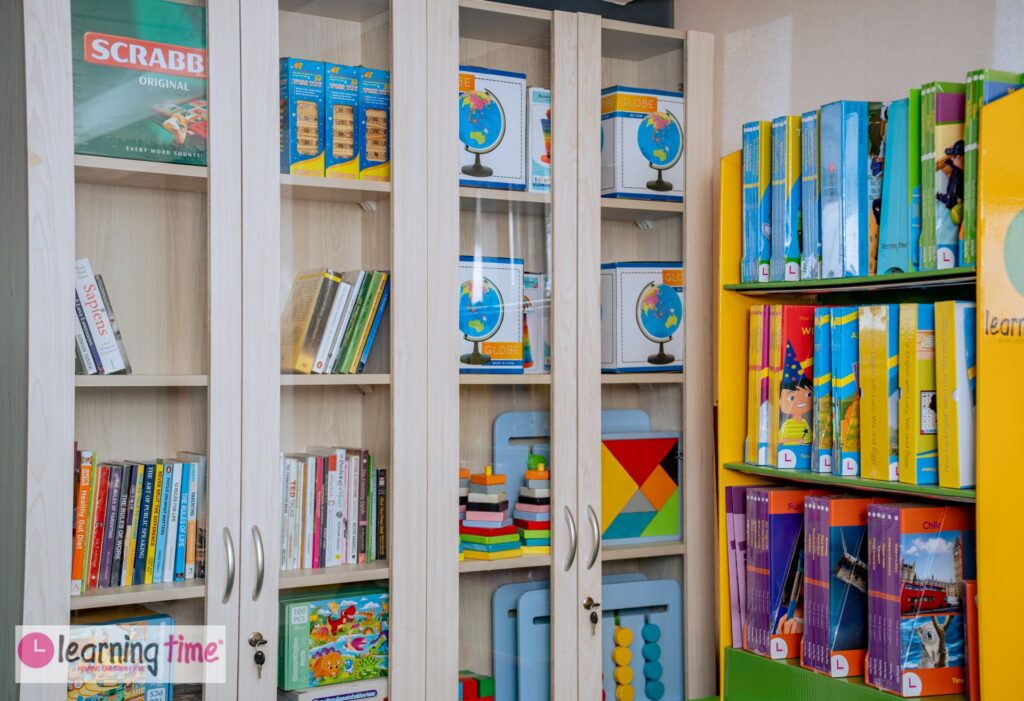
A physical space that matches a child’s physical dimensions and capabilities naturally invites independent interaction. When toys, books, and educational tools are stored on low, open shelves, a toddler can easily see their options and make a deliberate choice. This simple act of choosing what to engage with is the starting point of self-directed education.
In a responsive environment, items are organized logically so the child is not overwhelmed by clutter. Grouping similar objects together in shallow baskets or trays makes the choices clear and manageable. For example, a basket dedicated to tactile wooden blocks stands out clearly next to a shelf holding colorful picture books. This visual clarity helps a child focus their attention on one specific task, which naturally lengthens their engagement time and reduces the tendency to scatter items without interacting with them.
The Power of Accessible Learning Tools
Beyond furniture, the specific tools provided to a child play a massive role in their ability to play without assistance. Premium multimedia learning kits that utilize intuitive, responsive technology allow toddlers to drive their own educational journey. Tools such as interactive audio pens that respond instantly to a child’s touch give immediate feedback, turning a solitary reading session into an engaging, self-correcting game.
When a learning tool is designed for small hands and simple mechanics, it removes the frustration that often leads to a child seeking parental help. The child can successfully operate the tool, listen to stories, explore musical tones, or follow along with games completely on their own terms. This success builds massive confidence, proving to the toddler that they are fully capable of uncovering new information and enjoying an activity without needing an adult to manage the process for them.
Creating Psychological Safety for Exploration
Independence flourishes when a child feels completely secure in their environment. This means that while the parent may be working nearby or relaxing in the same room, the child knows they have the freedom to explore their immediate surroundings without constant correction. A beautifully child-proofed space allows parents to step back and watch with a smile, replacing protective intervention with quiet, encouraging presence.
When a toddler realizes that their exploration is safe and welcomed, their willingness to try new challenges increases. They become more focused on fitting shapes into slots, matching colors, or examining illustrations because their attention is not fractured by safety restrictions or parental anxiety. This calm atmosphere is exactly where deep concentration and independent learning habits take root.
Structuring the Day to Support Self-Directed Play
Routines provide a predictable rhythm that gives toddlers a clear understanding of what comes next in their day. When a child can anticipate the flow of events, they experience a sense of control, which significantly reduces anxiety and increases their readiness to engage in focused, autonomous activities.
Establishing Predictable Activity Windows
Integrating dedicated blocks of time for self-directed exploration into the daily schedule helps toddlers mental preparation for independent focus. These windows work best when the child is well-rested and fully nourished, such as mid-morning or immediately after an afternoon nap. During these periods, the expectation is gently set that this is a time for individual discovery.
Consistency transforms these windows into natural habits. As the routine becomes established, a child automatically transitions into their play area when the designated hour arrives, knowing exactly how to begin their engagement. Parents can support this transition by sitting nearby initially, offering a warm word of encouragement, and then gradually expanding their physical distance as the child becomes fully absorbed in their chosen task.
| Time of Day | Purpose | Primary Child Action | Parent Role |
| Mid-Morning | Peak Cognitive Focus | Engaging with interactive educational kits or puzzles | Quiet observation from a supportive distance |
| Early Afternoon | Creative Expression | Exploring texture, drawing, or building structures | Providing accessible, organized materials |
| Late Afternoon | Relaxed Exploration | Leafing through picture books and audio stories | Offering warm validation and gentle transition |
Transitioning into Individual Focus
Moving smoothly from a shared activity with a parent to individual play requires a gentle and supportive bridge. Instead of abruptly leaving a child to play alone, a parent can spend five minutes exploring a learning kit together, demonstrating a feature or asking an open-ended question that sparks curiosity. Once the toddler is visibly interested and actively manipulating the material, the parent can smoothly transition to their own tasks nearby.
This method ensures that the child does not feel disconnected or suddenly abandoned. Instead, they view the play as a continuation of a joyful experience. The initial shared momentum carries them forward into independent exploration, allowing them to remain deeply engaged with the educational material for an extended period.
Honoring the State of Deep Concentration
When a toddler is completely absorbed in an activity, it is vital to let that concentration continue uninterrupted. Even well-meaning praise can sometimes break a child’s focus and redirect their attention back to the adult for approval. Observing silently allows the child to experience internal satisfaction from their achievements.
Allowing a child to complete a self-chosen cycle of play—from selecting the item, working with it, and finally moving on—strengthens their attention span. This sustained focus is a cornerstone of advanced cognitive development and academic readiness. By protecting these moments of deep concentration, families provide the perfect environment for a child’s self-reliance to expand naturally.
Selecting Material that Inspires Focused Engagement
The nature of the toys and educational resources available in the home directly influences a child’s capacity for independent learning. Materials that offer a perfect balance of challenge, sensory richness, and clear feedback keep toddlers coming back for more without needing constant parental guidance.
The Role of High Quality Multimedia Learning Kits
Modern educational design has made incredible strides in supporting early autonomy through screen-free multimedia kits. These curated systems combine beautifully printed physical books, tactile manipulative elements, and smart audio components that synchronize flawlessly. This combination creates a multi-sensory experience that holds a child’s interest naturally.
Because these kits are engineered specifically to encourage independent learning habits in toddlers, they feature logical, progressive levels of engagement. A child can start by simply listening to a delightful melody and gradually move toward interactive quizzes or storytelling elements as their familiarity grows. The intuitive nature of these tools ensures that the child remains the active driver of the experience, fostering an early love for personal discovery and education.
Tactile Material (Books & Shapes)
       + Smart Audio Tools (Interactive Pens)
       = Independent Discovery and High Confidence
Self-Correcting Features in Educational Design
Materials that embed self-correcting mechanisms are incredibly valuable for building early self-reliance. When a puzzle piece only fits into its matching slot, or an electronic pen rewards a correct choice with a joyful chime, the child receives instant, objective feedback. They do not need to look at an adult to know if they succeeded.
This direct feedback loops allows the toddler to experiment, make adjustments, and solve problems through trial and error. The process teaches resilience, as the child views a mismatched piece not as a failure, but as an invitation to try again. The ultimate success belongs entirely to the child, which supercharges their self-esteem and deepens their commitment to learning.
Rotating Selection to Maintain Fresh Interest
Keeping a modest selection of learning materials available at any given time prevents overstimulation and maintains a high level of curiosity. A thoughtful toy rotation system ensures that every item on the open shelves feels fresh, exciting, and full of possibilities. When an educational kit or puzzle has been mastered, it can be temporarily swapped for a new challenge.
This rotation keeps the home environment dynamically aligned with the child’s evolving skills. When a toddler walks over to their learning corner and discovers an exciting book or tool they have not seen in a few weeks, their natural instinct is to dive in and explore it immediately. This structured novelty supports consistent daily engagement and reduces parental effort in constantly inventing new ways to entertain the child.
Practical Steps to Cultivate Self-Reliance Today
Transforming your home into a space that nurtures early autonomy is an ongoing, rewarding process. By focusing on practical, encouraging strategies, parents can witness a beautiful expansion in their child’s independent capabilities week after week.
Modeling Self-Reliance Throughout the House
Toddlers are extraordinary observers and naturally mimic the actions of the adults around them. When parents demonstrate independent tasks calmly and purposefully, they lay a blueprint for the child to follow. Showing how to tidy up a workspace, place a book back on its shelf, or organize materials sends a clear message that taking care of one’s environment is a normal, fulfilling part of the day.
This modeling can be paired with gentle invitations for the child to participate in daily household flows. Having a child-sized broom, a small rag for wiping surfaces, or an accessible low drawer in the kitchen allows the toddler to feel like an active, contributing member of the family. These practical life skills directly reinforce their confidence during individual playtime.
Parent Models Purposeful Activity
       ↓
Toddler Mimics and Explores Environment
       ↓
Increased Confidence and Independent Learning Habits
Offering Encouragement Instead of Constant Praise
Shifting the focus from generalized praise to descriptive encouragement helps children develop an internal locus of control. Instead of saying general phrases, pointing out the specific effort a child made builds a stronger connection to their own capability. For instance, noticing that a child worked patiently to arrange all the blocks in a row highlights the value of their persistence.
This approach teaches toddlers to value the process of discovery rather than just seeking an adult’s emotional reaction. They begin to play and learn because it feels inherently satisfying, interesting, and fun. This intrinsic motivation is the absolute engine of a lifelong learner who eagerly embraces new academic and personal challenges.
Introducing Incremental Independence Challenges
Fostering self-reliance is a journey of small, progressive steps. If a toddler is accustomed to constant direct parental interaction, introducing independent play can begin in short, manageable increments. Setting up an enticing learning kit, staying close for the first few moments, and then stepping away to complete a quick task nearby helps the child build tolerance for independent focus.
Over time, these short windows naturally expand. As the child experiences repeated success and realizes that the parent remains fully available and supportive, their comfort level increases dramatically. Soon, the toddler will happily spend substantial blocks of time completely immersed in their educational activities, proud of their ability to navigate their world beautifully.
The Long Term Benefits of Early Academic Independence
Investing the time and thought into building self-reliant learning habits during the toddler years yields massive developmental dividends as children transition into formal schooling and beyond. The cognitive and emotional foundations established through independent play shape how a child approaches every future educational milestone.
Enhancing Complex Problem Solving Skills
When a child is allowed to navigate challenges independently during play, they develop advanced critical thinking skills. They learn to analyze shapes, recognize patterns, and experiment with different solutions sequentially. This active mental engagement strengthens executive functioning, which is crucial for managing future academic tasks.
These problem-solving experiences teach children how to think creatively and structurally. Rather than waiting for someone else to provide an answer, a self-reliant child immediately begins exploring options, testing hypotheses, and seeking solutions. This proactive mindset is highly valued in modern education and gives children a significant advantage throughout their school years.
Early Autonomy in Play
       ↓
Advanced Executive Functioning
       ↓
Proactive Academic Problem-Solving
Building Resilience and Emotional Regulation
Independent learning provides a natural, safe arena for developing emotional maturity. When an activity does not work out on the first attempt, the child learns to manage minor frustrations, recalibrate their approach, and try again. This process builds emotional resilience, helping children stay calm and focused in the face of temporary difficulties.
As children master these emotional responses, their confidence grows exponentially. They view new situations not as overwhelming obstacles, but as interesting puzzles waiting to be solved. This emotional balance allows them to approach advanced learning environments with a joyful, adventurous spirit that embraces growth.
Nurturing a Genuine, Lifelong Love for Discovery
The ultimate goal of supporting early autonomy is to cultivate a child who views learning as a joyful, self-sustaining adventure. When education is driven by personal interest and supported by premium, responsive tools, it becomes an integral part of who the child is. They do not just learn for external rewards; they learn because discovering new information feels deeply satisfying.
This profound love for discovery carries forward into every phase of life. It creates students who are curious, self-motivated, and eager to dive deeply into literature, science, mathematics, and the arts. By fostering these independent learning habits early, families hand their children the ultimate gift: the key to unlocking their own infinite potential.
Partnering with Advanced Educational Solutions
Creating an ideal ecosystem for independent growth is made infinitely easier when you have access to expert guidance and world-class educational tools. Perfect Digital is fully committed to empowering modern families with premium multimedia learning kits designed specifically to foster early childhood development and robust self-reliance. Our curated systems seamlessly integrate physical materials with intuitive interactive technology, providing toddlers with an exceptional, screen-free environment where they can drive their own educational journey with joy and confidence.
We understand that every parent desires to give their child the best possible start in life, transforming everyday moments into meaningful steps toward future academic success. Our comprehensive learning solutions remove the guesswork from early childhood education, giving your family the perfect structure to support healthy autonomy and long-term cognitive growth. Discover how our beautifully designed resources can bring harmony, confidence, and a lifelong love for learning into your home today. Connect with us at Perfect Digital Marketing Solutions to explore our exclusive educational programs and find the perfect match for your growing child.