
The world is changing at a rapid pace and the skills children need to thrive in 2026 are very different from what was required decades ago. In the past education focused heavily on memorizing facts and formulas. However in an era where information is available at the touch of a button simply knowing things is no longer enough. At The Little Years with Windress we understand that rote learning is an approach that no longer serves the modern child. Instead of teaching children what to think we must teach them how to think. This shift toward critical thinking is a core pillar of our parenting consultancy.
Moving Beyond Simple Memorization
For a long time the ability to repeat information was seen as a sign of intelligence. Children were rewarded for memorizing multiplication tables or spelling lists without truly understanding the logic behind them. We now know that this type of learning is superficial. It stays in the short term memory and does not help a child solve real world problems. This is a primary reason why rote learning is outdated. It fails to engage the deeper parts of the brain that handle analytical reasoning.
When a child simply memorizes a fact they are only using a small part of their cognitive potential. They are not making connections or asking questions. Our approach is designed to move beyond this limited method. By using interactive tools and expert parenting guidance we encourage children to explore the relationship between concepts. For example instead of just memorizing the name of a shape they learn how that shape functions in the world around them. This creates a rich web of knowledge that sticks because it makes sense to the child.
The Rise of the Problem Solver
In the modern workforce the most valuable individuals are not those who have the most facts memorized but those who can solve complex problems. This ability starts in early childhood. If a child is always given the answer they never learn the struggle of finding it for themselves. This is why rote learning does not prepare a child for a world that prizes innovation.
We focus on building analytical ability from the very beginning. Through logic puzzles and interactive games we present children with challenges that require them to think through multiple steps. When a child learns to navigate a logical sequence they are practicing the art of deduction. They are learning to look at a situation and figure out the path to a solution. This type of active thinking builds a brain that is wired for success in any field.
Preparing for a Technology Driven Future
As we look at the future many tasks that used to require human memorization are now handled by technology. This means that the uniquely human skill of critical thinking is more important than ever. Parents who realize why rote learning is no longer the standard are giving their children a massive competitive advantage. We are preparing children for challenges that require high level reasoning.
By focusing on cognitive development we ensure that children are not just passive consumers of information. They become active creators. Our consultancy encourages parents to use tools that prompt children to use their imagination and logic simultaneously. When learning about math or language they are asked to apply what they know in new and interesting ways. This flexibility of mind is exactly what will allow them to lead and succeed in a world of rapid change.
The Emotional Cost of Repetitive Learning
Repetitive memorization is not just inefficient but it can also be boring for a young child. When learning is reduced to a series of drills children often lose their natural curiosity. They start to see education as a chore rather than an adventure. This loss of interest is a significant reason why many traditional methods are failing.
We believe that learning should be a joyful experience. By bringing stories to life and making lessons interactive we keep children engaged. When a child is emotionally invested their brain is much more open to learning. They do not have to be forced to memorize because they are genuinely interested in the process. This internal motivation is the key to raising a smart and confident child who loves to learn.
Building Connections Through Logical Reasoning
Critical thinking is the ability to see the connection between different pieces of information. It is about understanding cause and effect. Simple rote learning fails in this area because it treats every fact as an isolated island. Understanding why this method is outdated helps us see the value in a holistic educational approach.
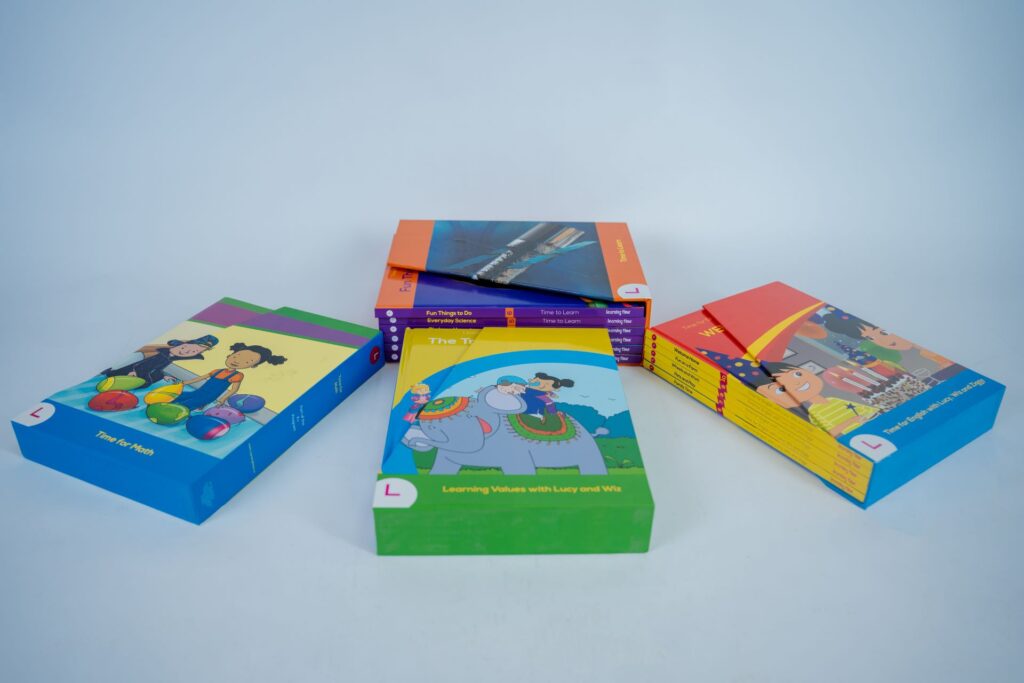
Our mathematics series is a perfect example of this. Instead of just counting to ten children learn what those numbers actually represent through visual and tactile tools. They see how numbers can be broken apart and put back together. This deep understanding of numerical concepts builds a foundation for advanced logic and arithmetic later in life. We are not just teaching them to pass a test but we are teaching them to understand the language of logic.
The Importance of Questioning
A child who is taught through repetitive methods learns that there is only one right answer and that someone else always has it. This discourages them from asking questions. However the best learners are always the ones who ask why and how. Recognizing that traditional rote learning is limited encourages parents to foster a home environment where questions are celebrated.
Our programs are designed to spark curiosity. We encourage children to explore at their own pace and discover extra facts or sounds. This encourages a spirit of inquiry. A child might spend a long time on a single concept because they are fascinated by how it works. This self directed exploration is the opposite of a rigid system. It tells the child that their curiosity is valuable and that the world is a place to be discovered.
Cognitive Flexibility and the Modern Learner
The ability to switch between different ways of thinking is known as cognitive flexibility. This is a vital skill for any thinker. Rote learning which relies on fixed patterns does very little to build this flexibility. This is yet another reason why such methods are outdated for the modern learner.
Through our diverse focus areas covering language and math children learn to approach problems from different angles. They might use linguistic skills to understand a story and then immediately switch to logical skills to solve a puzzle. This constant shifting and connecting of ideas makes the brain more resilient and adaptable. We are raising thinkers who can handle complexity with ease.
Partnering with a Parenting Consultant
Transitioning away from old fashioned teaching methods can feel overwhelming for parents. This is where a professional parenting consultancy becomes invaluable. We understand that as a parent you want the best for your child’s future. We help you implement strategies that maximize critical thinking and minimize stress.
By partnering with The Little Years with Windress you get access to expert advice on how to support your child’s unique learning style. We show you how to move beyond simple facts and into the world of deep understanding. Whether you are in Kenya or looking for global parenting solutions our goal is to help you raise a child who stands out from the crowd. We believe that every child has the potential to be a brilliant thinker if they are given the right environment.
The Role of Active Play in Deep Learning
One of the best ways to move away from memorization is through active play. When a child is physically engaged with their learning tools they are more likely to retain information. This is why rote learning is inferior to a multi sensory approach.
The physical nature of interactive books and learning pens ensures that learning is an active process. A child is not just sitting and listening but they are pointing and moving. This physical interaction reinforces the neural pathways associated with the concepts they are learning. It turns an abstract idea into a concrete experience. This is how we ensure that the lessons learned during the little years stay with the child for the rest of their life.
Creating a Global Perspective
Critical thinking also involves the ability to see things from different perspectives. This is essential for modern success. Rote learning often focuses on a very narrow set of facts but a broader program opens the world to your child. Understanding the limits of memorization allows us to see the importance of a broad and inclusive education.
Through adventurous storytelling children learn about different cultures and values. They are encouraged to think about how people in other parts of the world live and solve problems. This builds empathy and a broader understanding of humanity. A child who can think critically about the world around them is much less likely to be swayed by misinformation. They become independent thinkers who can make up their own minds.
Building Success for Primary School
When parents look ahead to primary school there is often anxiety about whether a child can keep up. Much of this comes from the memory of our own education which was often centered on rote learning methods. But today the world is moving toward competency based learning which prizes understanding over memorization.
By starting with a focus on brain development your child enters school already familiar with the concepts of critical thinking. They are not intimidated by new information because they have the tools to analyze it. They do not just know the answers but they know how to find them. This academic confidence is a direct result of moving away from rote learning and toward a more engaging foundation. At The Little Years with Windress we see this success in the children we consult for every day.
The Importance of Brain Plasticity
During the first six years of life the brain is incredibly plastic. This means it is constantly forming new connections based on experiences. This is why the type of learning a child engages in matters so much. Rote learning creates rigid and single path connections. Critical thinking on the other hand creates a dense and complex network of neural pathways.
When we talk about traditional learning being outdated we are talking about neurobiology. We want to give the brain the richest possible input during this critical growth phase. A comprehensive program provides that richness through a variety of sensory experiences. Whether it is sound or visual cues every moment is building a stronger and more flexible brain. This is the ultimate head start for any child.
Supporting Multi Sensory Development
Every child learns differently. Some are visual learners while others are auditory or tactile. Rote learning usually only appeals to one style and often leaves children who learn differently behind. This is a major reason why such methods are outdated for modern and inclusive parenting.
A multi sensory approach ensures that no matter how your child learns they are being reached. Interactive tools provide auditory stimulation and beautifully illustrated books provide visual cues. The act of interacting with the materials provides the tactile experience. This comprehensive approach ensures that the child is fully immersed in the learning process which leads to better retention and deeper understanding.
Final Thoughts: Choosing the Best Path
As a parent every choice you make is a brick in the foundation of your child’s future. By recognizing that rote learning is no longer the standard you are choosing a path that leads to independence and success. You are giving your child the gift of a mind that can think for itself.
Our parenting consultancy is here to support you in that choice. Through our expertise at The Little Years with Windress we provide the tools to make critical thinking a natural part of your child’s daily life. Let us work together to raise a generation of thinkers who will lead us into a brighter and more innovative future. The journey begins with one story and one discovery at a time.
Are you ready to move beyond memorization? Don’t let your child’s potential be limited by outdated learning methods. Discover how our parenting consultancy builds the critical thinking skills your child needs for a successful future. Book a Discovery Session with The Little Years with Windress today and give your child the A+ Edge.
-
Call/WhatsApp: +254 791 239 414
-
Email: inquiries@thelittleyearswithwindress.com
-
Visit our website: thelittleyearswithwindress.com
-
Discover the Program: learningtime.co